Outlook and transformation of the Spanish labor landscape

PERSPECTIVES AND TRANSFORMATION OF THE SPANISH LABOR LANDSCAPE

In recent years, the working environment in Spain, as elsewhere in Europe, has undergone a number of changes.significant changes in recent yearsdriven by a combination of social, technological and economic factors.

Parella Group, with the support of CSA Research, offers an in-depth analysis of these transformations, highlighting key themes such as teleworking, job sharing and the main concerns of employees in Spain and the rest of Europe. 

The study, carried out in May 2024, is based on an online survey of a European panel of 2,800 employees working in companies with 50 or more employees, and visiting the office at least once a week. 

The data collected covers a wide range of European countries, including France, Germany, the UK, the Netherlands, Spain and Italy, taking into account variables such as gender, age, socio-professional category, region, company size and sector of activity. 

Below is a special focus on the situation insituation in Spainwhile keeping data from our European neighbors in perspective.

Europe barometer

Teleworking in Spain and Europe

In Spain, telecommuting has beenadoptionwith63% of employeesdeclaring that telecommuting is permitted in their company.
This figure reflects asignificant changein working patterns, largely influenced by the need to adapt to the social and technological changes accelerated by the pandemic.

Spain isslightly below the European averageaverage (67%) in terms of telecommuting adoption, but is clearlyupward trend. Spain's professional culture, historicallyhighly focused on physical presencehas had to adapt rapidly tonew expectations.

This transformation is naturally driven bytechnological advancesbut, above allchanging employee expectationsincreasingly demandingflexibilityin their working lives.

Spanish companies are facing a number ofchallenges linked to the adoptionof this working model, including fearsconcerns about operational interruptionsand a certaincultural resistance.

Teleworking figures by country according to study

Challenges and benefits of teleworking

Telecommuting in Spain offersmany advantagesfor both employees and companies.
Employees benefit fromgreater flexibilityand abetter balancework-life balance, while companies are able to reducereduce operating costsandincrease productivity.

However, this way of workingalso brings new challengessuch asmanaging remote communicationandpreserving corporate cultureor evencybersecurity issues.

Despite this,37% of Spanish companieshaveincreasedthe number of authorized teleworking days since the end of the COVID-19 crisis, a sign of growinggrowing adoptionof this model.
Conversely,25 %havetightened their teleworking policiesunderlining the need to strike a balance betweenbetween flexibility, organizational performance and security.

The evolution of desk sharing

The subject ofworkstation sharingordesk sharingis stillunderdeveloped in Spain.

According to the study, only14% of companiesplan to implement office-sharingdesktop sharingpolicies, reflecting acautious attitudeto the practice.

To date,29% of Spanish employeesaccept the idea of aflexible office(job sharing), compared with36% in the Netherlandsshowing acultural differenceand amaturitymaturity on this subject across Europe.

Spanish companies face a number ofchallenges linked to the adoptionof this working model, including fearsconcerns about operational interruptionsanda certaincultural resistance.

Graphics

What are employees' main concerns?

Theoffice locationis a decisive factor for Spanish employees, directly influencing theirsatisfactionand theirproductivity.

At a time when companies are seeking toencourage employees to return to the sitethequality of equipment and furnitureas well as anefficient use of spacehave become essential.

95% of Spanish employeesbelieve that their employers shouldinvest more in quality of life at workparticularly throughbetter working conditionsand awork-life balance.

In additioninterest in more sustainable practicespractices, with71% of employeesexpressing thethe need for green initiativesin the workplace.

What do the experts say?

Michel Moussa(Sanofi) andGrégory Rouca(LVMH) emphasize the importance of offering aquality experienceto encourage employees to return to the office.

AtSanofithe challenge is not just to get employees to come back, but to ensure a balancedbalanced presence throughout the weektoavoid days with empty officesand others withoverload.

Luis José Llorca(Global Blue) refers to the implementation of aflexible work modelwherelocationandspace designare major levers.
The aim: to provideoffices adapted to hybrid operationsintegratingcollaborative spacesandmeeting rooms equipped with the latest technologies.

The study highlights the need for Spanish companies to adopt a flexible, people-centeredflexible, people-centred approachto meetnew expectationsin an ever-changing world of work.

Investing in quality of working lifeinenvironmental sustainabilityenvironmentalflexibilityandequipment innovationhelpsemployee commitment, d'their well-beingand, ultimatelyperformance.. Themajor European survey conducted by Parellaoffers acomprehensive and detailed viewof current trends in the professional world, both in Spain and elsewhere in Europe.

It offers concreteand strategic perspectives for companiesfor companies wishing toto adapt, innovate and thrivein this new working environment.

You may also like...

Green Lease: everything you need to know about green leases and their advantages
- Green Lease is more than a lease: it's a shared commitment to a more eco-responsible building....
Remanence of a real estate project
- When you're planning a move, there are often a lot of time constraints, and you need to...
Recycled & made-to-measure design
- Fortunately , there are craftsmen today to meet these expectations, and we've met some of them...
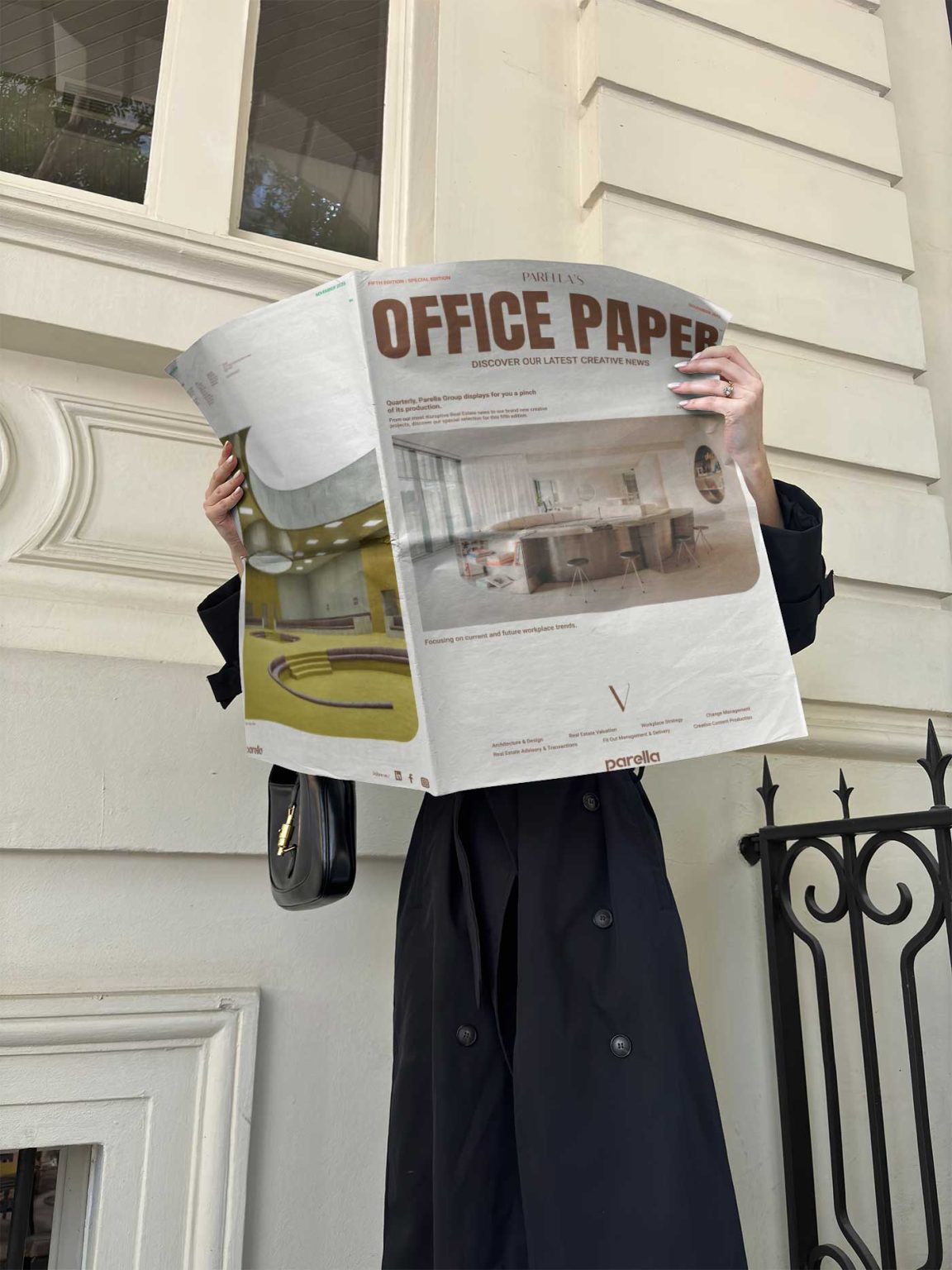
Article Office Paper

OFFICE PAPERS

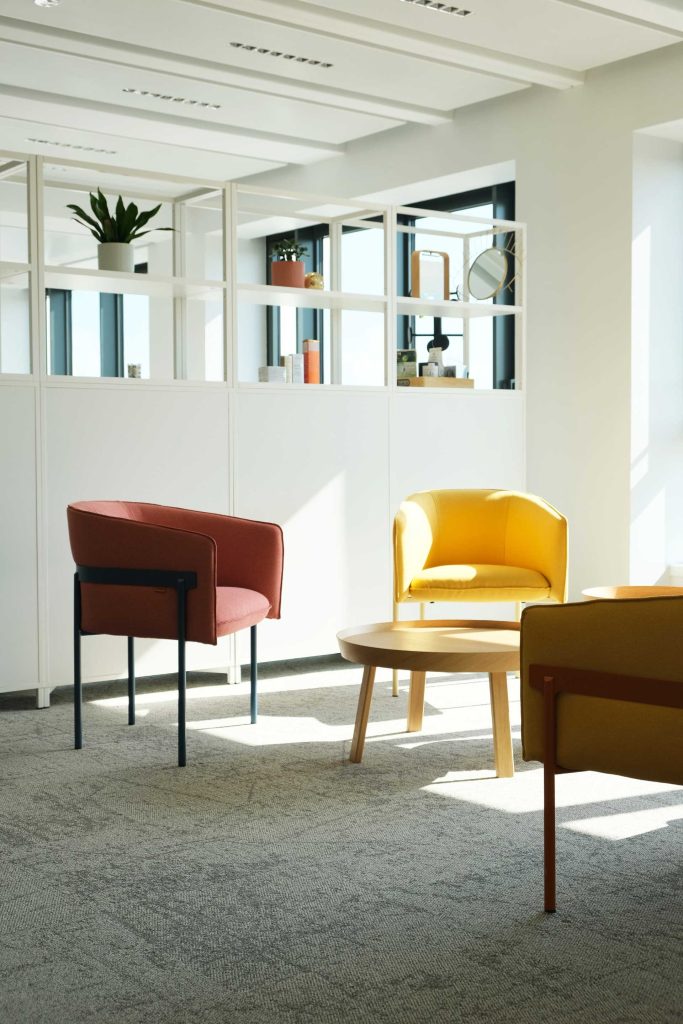
Small living room with red and yellow armchairs, light wood coffee table, at NAOS, by Parella

THANK YOU

Your message has been sent.
We'll get back to you shortly!