Real estate and sustainable development: how can you make your offices greener?

Real estate and sustainable development

How can you make your offices greener?

Faced with new regulations and growing employee expectations, companies need to rethink their workspaces to reduce their environmental footprint. Energy optimization, choice of materials and responsible resource management: making offices greener is both an imperative and a performance driver.

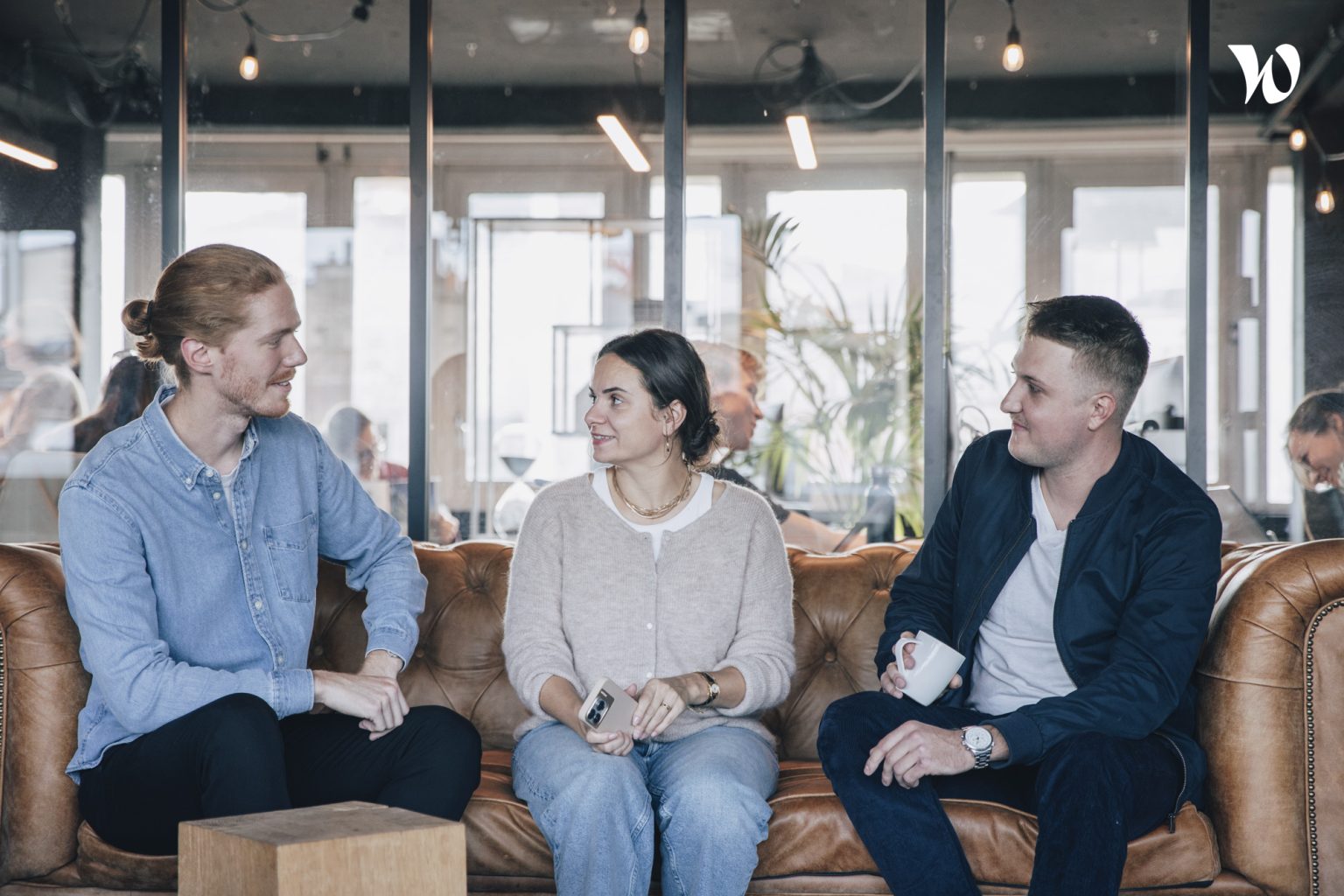
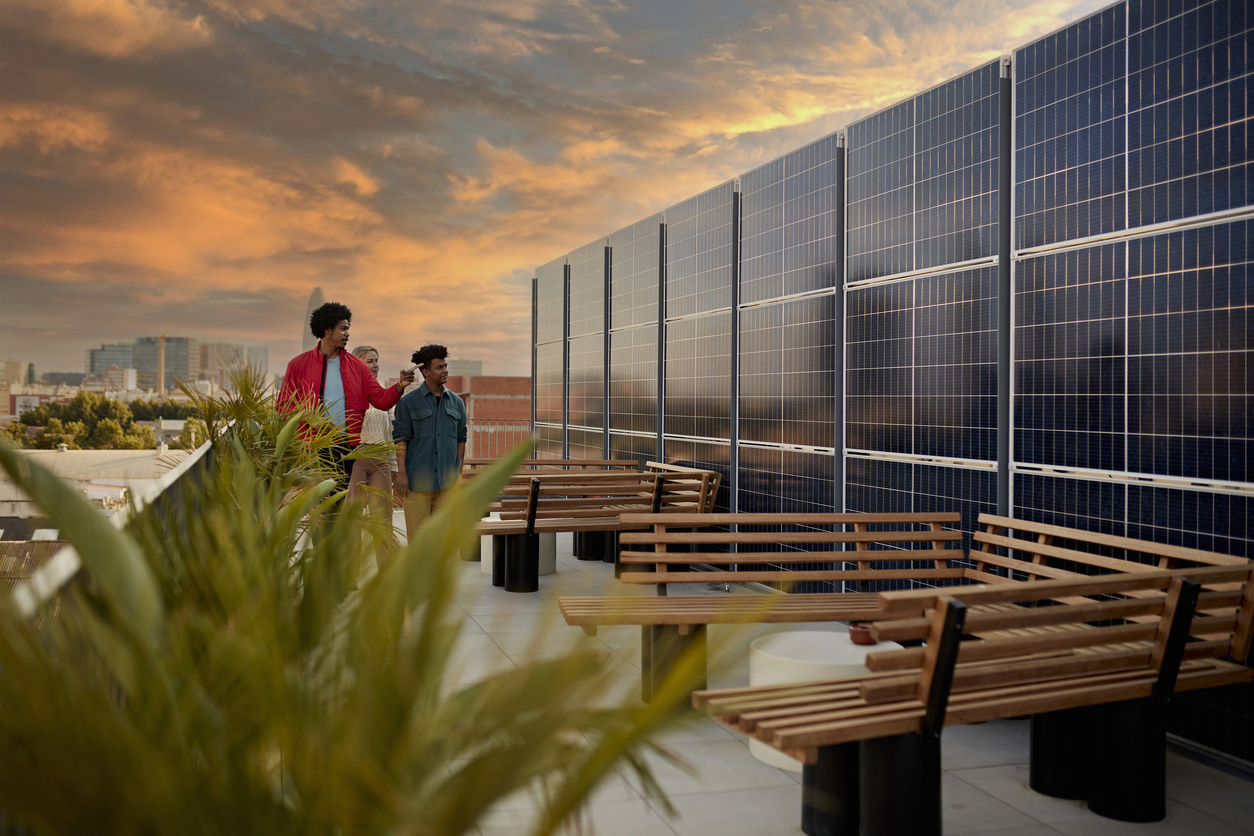
People on a Rooftop pro

Sustainable real estate: a regulatory necessity and an economic asset

Under the French Climate and Resilience Act, companies must improve the energy performance of their offices or risk seeing their value fall. Improved insulation, reduced consumption and the use of renewable energies are therefore essential to comply with the various certifications and standards in force, such as the HQE (High Environmental Quality) - which focuses on the management of energy, water, waste and the materials used - or the LEED (Leadership in Energy and Environmental Design) international certification.

But beyond the regulatory aspect, an eco-responsible office also optimizes operating costs and improves quality of life at work. A healthy, sustainable environment promotes employee well-being, strengthens commitment and enhances the company's brand image.

Concrete ways to reduce the carbon footprint of offices

Improving energy efficiency is a priority. Optimizing lighting, air-conditioning and heating helps to cut costs while limiting environmental impact. The choice of materials also plays a key role: favouring eco-friendly paints, durable furniture and recycled coverings contributes to a working environment that is more respectful of health and the environment.

Waste management is another area for improvement. Sorting waste, limiting the use of disposable consumables and encouraging the re-use of equipment considerably reduce our ecological footprint. Last but not least, the greening of workspaces improves air quality and thermal comfort, while adding a touch of well-being for employees.

Towards more responsible commercial real estate

Committing to a sustainable approach means making your offices a lever for optimization and differentiation. By integrating more environmentally-friendly practices, companies can combine performance, attractiveness and responsibility. To meet strict regulations and the high expectations of employees, eco-responsible offices, with sustainable furniture, are seen as a positive development, providing a more pleasant, healthy and motivating workspace.

You may also like...

Are we really responsible?
― Specifications involve much more than one might think: Matteo Bonotto, Design Manager at Agilité, discusses...
Milan Design Week 2026
Milan Design Week once again turned Milan into its creative hub from April 20 to 26, 202...
Workspace Expo 2026
Workspace Expo 2026
As the leading European event for the office sector, Workspace Expo brought together manufacturers, ... from March 24 to 26,
Post-Covid office layout

Post-COVID Office Design: What Are the New Trends?

Today's offices no longer resemble those of yesterday. The health crisis has profoundly transformed the expectations of companies and employees alike, accelerating the adoption of new ways of working.

Flexibility, well-being and hybridization are now at the heart of planning strategies. How are workspaces adapting to these changes? Here's a look at the major trends shaping post-Covid offices.

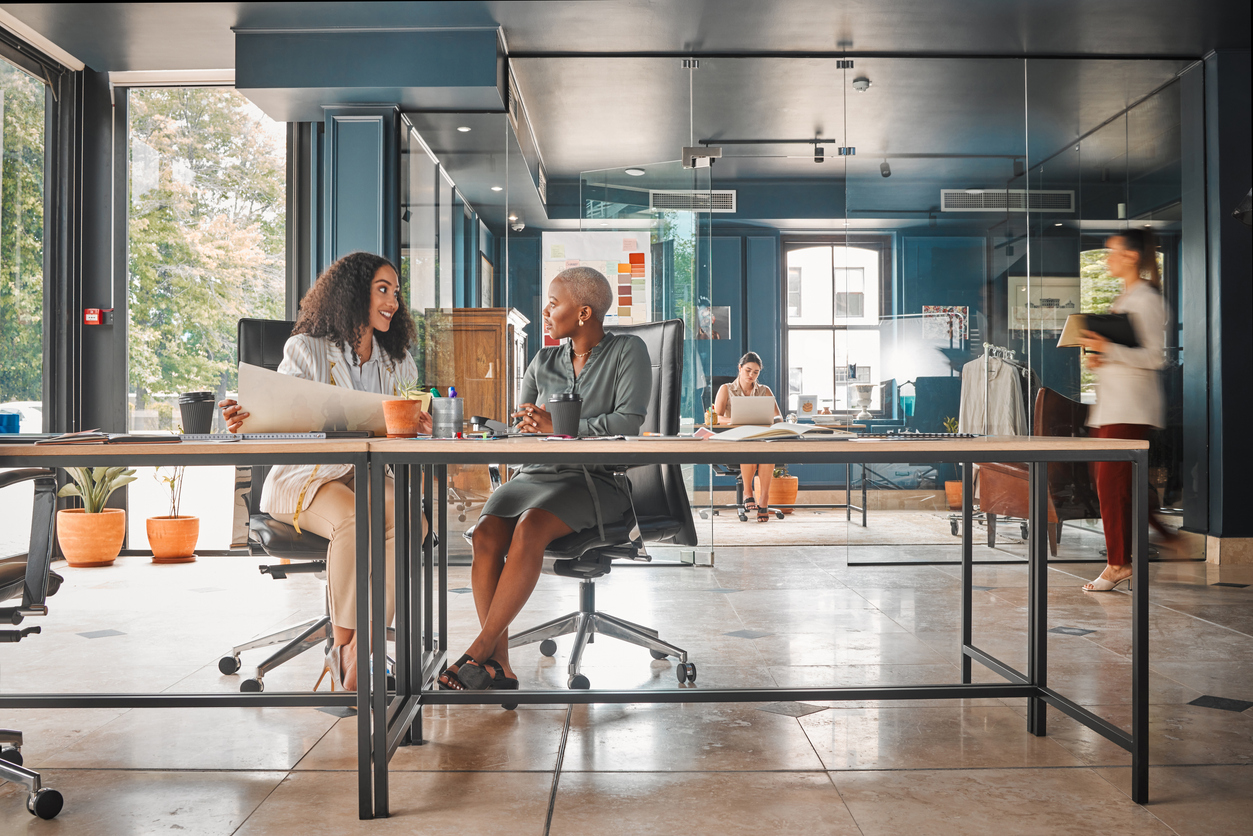
Discussion between 2 people in an open space

More flexible, hybrid workspaces

With the spread of telecommuting, offices are no longer just places for production, but spaces for collaboration and exchange. Companies are opting for modular layouts, allowing spaces to be adapted according to need: retractable meeting rooms, nomadic workstations and multi-purpose areas are on the increase. The flex office, which reduces the number of fixed offices in favor of shared spaces, is winning over more and more organizations looking to optimize their floor space while promoting agility.

Well-being in the workplace, a reinforced priority

Employees' expectations in terms of quality of life at work have evolved. Post-Covid office design incorporates more relaxation areas, quiet zones and solutions to promote conviviality. Natural light, acoustics and air quality have become essential criteria for creating a healthy and stimulating work environment. Companies are also focusing on ergonomics with adjustable furniture, alternative workspaces and areas dedicated to rejuvenation, such as green terraces or relaxation rooms.

The office, a place of corporate culture and collaboration

At a time when telecommuting is reducing the physical presence of teams, offices must play a unifying role. Workspaces are being redesigned to encourage interaction and reinforce a sense of belonging to the company. More and more collaborative zones are being created, incorporating technological equipment that encourages hybrid exchanges between on-site and remote staff. The aim: to transform the office into a veritable social hub, where creativity and collaboration are at the heart of the experience.

A reinvented working environment for tomorrow

Faced with changes in the world of work, office design needs to combine flexibility, well-being and attractiveness. More than just a workplace, the office is becoming an experience space, designed to meet the new needs of employees and organizations alike. This transformation is redefining the role of the professional environment in corporate performance.

You may also like...

Are we really responsible?
― Specifications involve much more than one might think: Matteo Bonotto, Design Manager at Agilité, discusses...
Milan Design Week 2026
Milan Design Week once again turned Milan into its creative hub from April 20 to 26, 202...
Workspace Expo 2026
Workspace Expo 2026
As the leading European event for the office sector, Workspace Expo brought together manufacturers, ... from March 24 to 26,
the Climate and Resilience Act

The Climate and Resilience Act: What Are the Requirements for Real Estate Companies?

Enacted in 2021, the Climate and Resilience Act imposes new environmental requirements on businesses, particularly in the real estate sector.

Energy efficiency, emissions reduction, and compliance with new standards are becoming critical issues.

What are the practical implications for tenant and landlord businesses? An overview of the key requirements and ways to comply with them. 

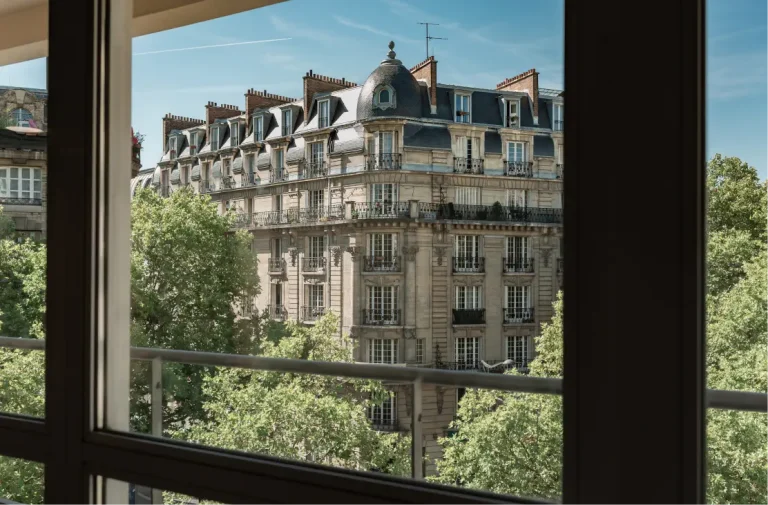
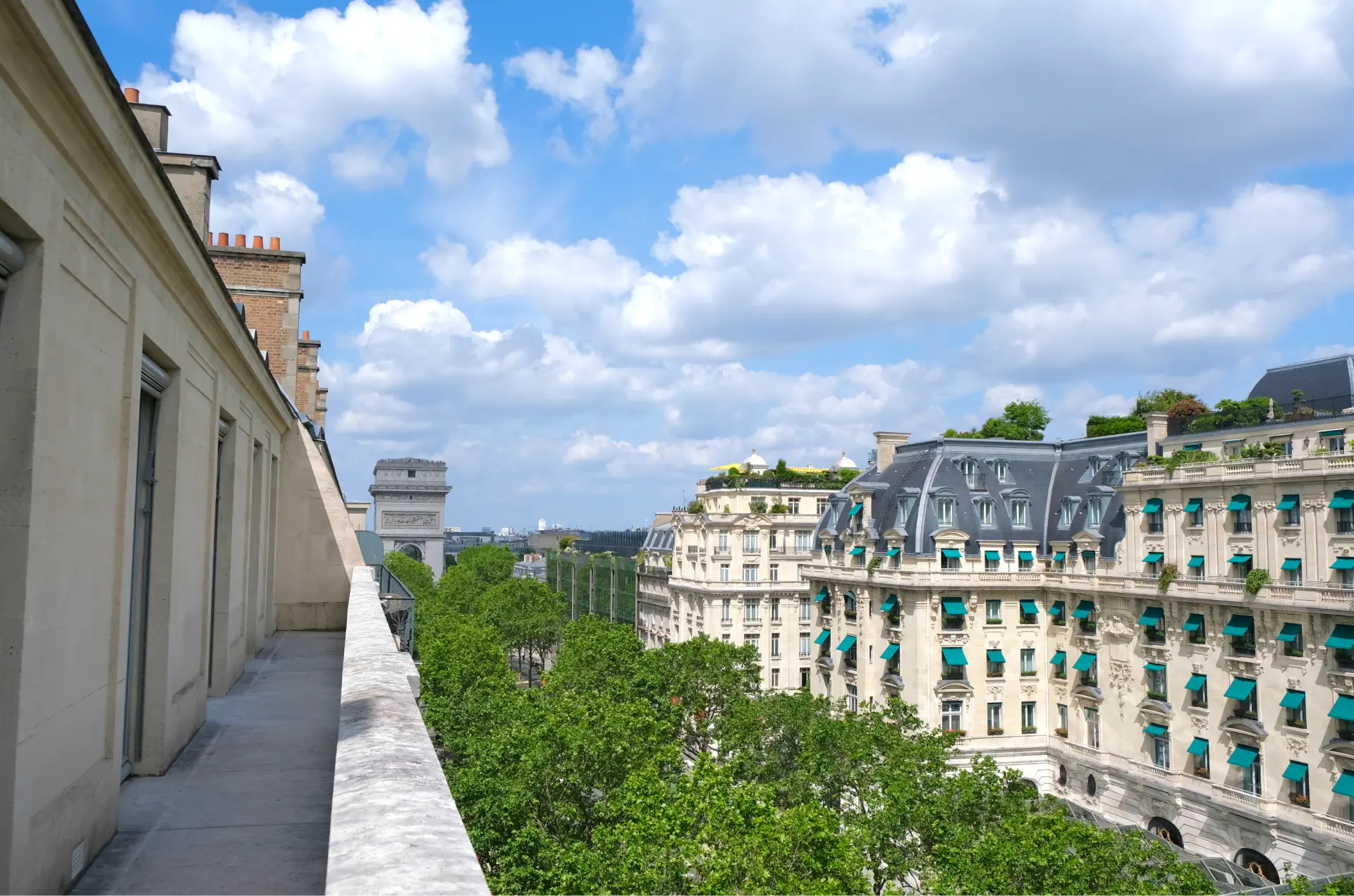
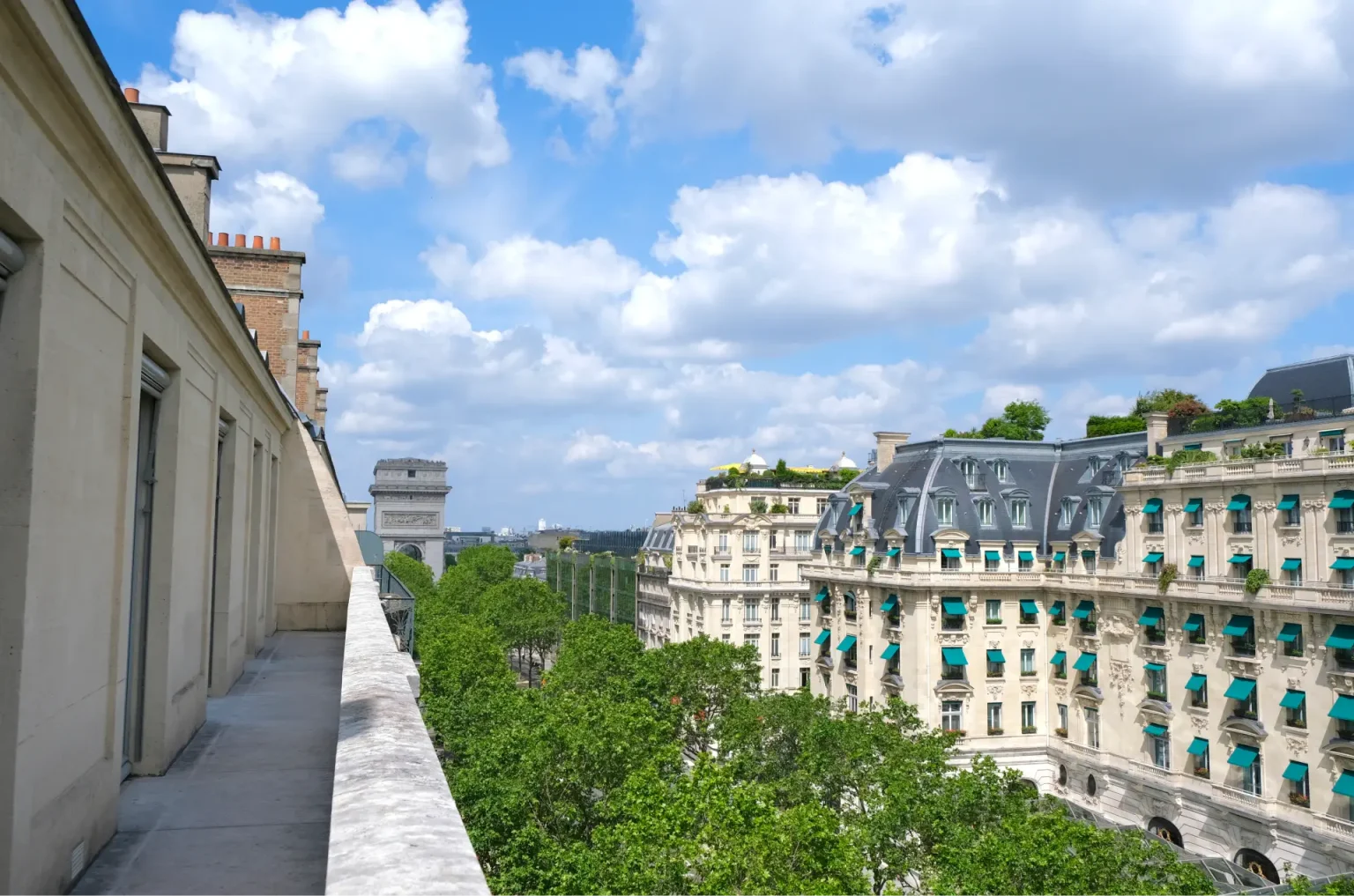
View from a balcony in Paris

Buildings subject to energy performance targets

The French Climate and Resilience Act sets energy performance thresholds for commercial buildings. By 2030, energy consumption must be reduced by 40%, then by 50% in 2040 and by 60% in 2050. These targets apply to offices, retail outlets and public-access buildings over 1,000 m². Companies must therefore undertake energy renovation work or optimize their equipment management to meet these requirements.

Energy performance diagnosis (DPE) becomes a key criterion

The obligation to display an energy performance diagnosis has been extended to offices and commercial premises. A building rated F or G could become obsolete and difficult to rent in the long term. Landlords must anticipate these constraints by improving insulation, optimizing heating systems and integrating more energy-efficient equipment. For tenant companies, the choice of an energy-efficient office becomes a strategic issue to control costs and limit their environmental impact.

The green lease, a tool for engaging lessors and lessees

To facilitate the ecological transition of buildings, commercial leases are increasingly incorporating environmental clauses. These "green leases" commit lessors and lessees to working together to improve the property's energy performance. These commitments may include setting up actions to monitor consumption, sharing the costs of energy improvement work or adopting eco-responsible practices.

A lever for more sustainable real estate

Under the French Climate and Resilience Act, companies must integrate the energy transition into their real estate strategy. Between renovation, optimization of consumption and new rental practices, the obligations are numerous, but also offer opportunities to rethink workspaces in a more sustainable and efficient way.

You may also like...

The Parella Group restructures its shareholder base
- Parella has placed the end-user at the heart of its business model. Through its three divisions...
Interview Business Immo
- Parella has placed the end-user at the heart of its business model.
Offices for your talents
- Parella has placed the end-user at the heart of its business model. Through its three divisions...

Proptech: how is technology revolutionizing commercial real estate?

Proptech: How Is Technology Revolutionizing Commercial Real Estate?

Commercial real estate is undergoing a profound transformation, driven by new technologies.

From building management to workplace optimization,“Proptech” (Property Technology) is redefining howspaces are used and providing more flexible, sustainable, and efficient solutions.

What innovations are transforming the sector, and how can companies take advantage of them? 

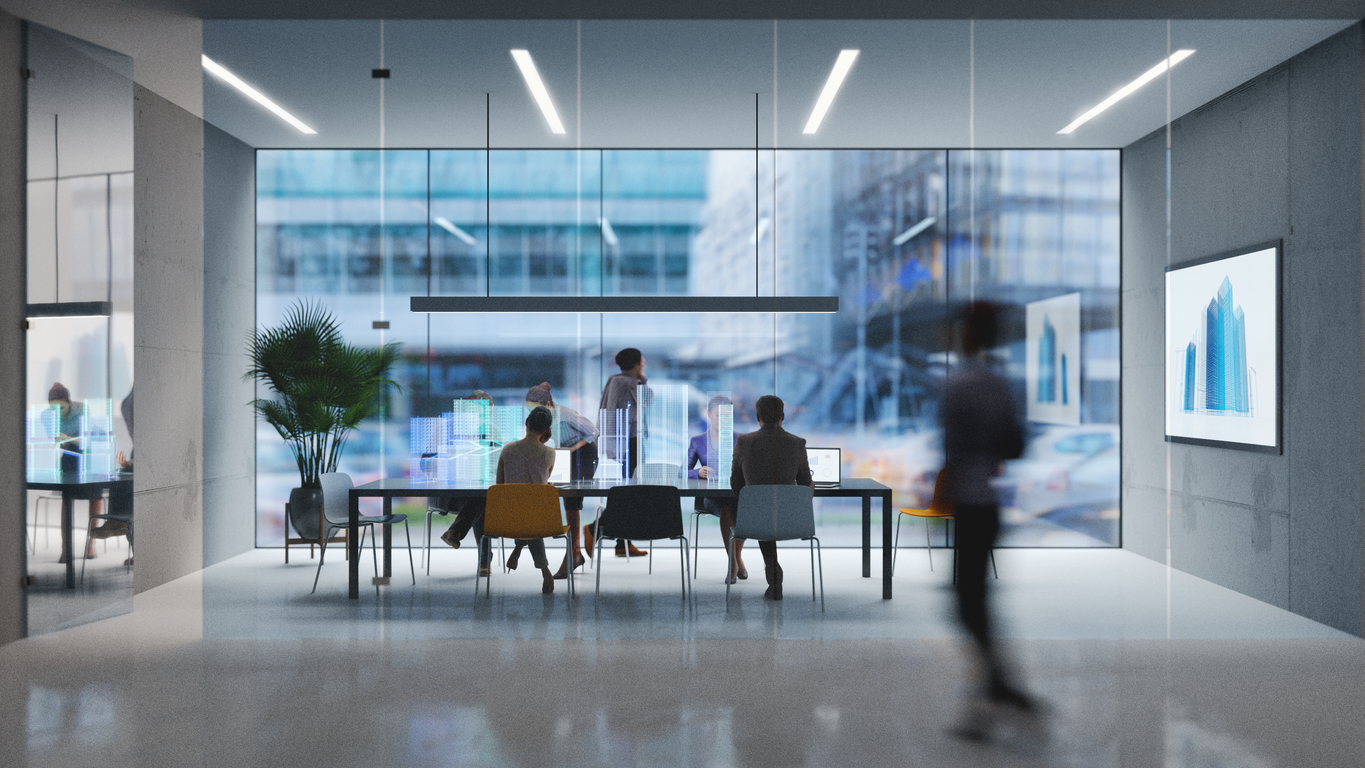
Illustration of a futuristic workspace. Credit: iStock

Intelligent buildings for optimized management

The rise of intelligent buildings is enabling finer, more efficient management of workspaces. Thanks to IoT sensors and centralized management platforms, it is now possible to optimize lighting, temperature and energy consumption in real time. These technologies offer companies significant gains in terms of operating costs and occupant comfort.

Artificial intelligence for space optimization

AI plays a key role in rationalizing occupied space. Algorithms analyze office occupancy rates, anticipate the need for flex office needs, and adjust space layouts according to actual usage. By exploiting this data, companies can adapt their offices to new hybrid work modes, while reducing their real estate footprint.

A more transparent, digitalized real estate transaction

Buying and renting office space goes digital with the emergence of platforms proptech platforms offering virtual tours, electronic signatures and data-driven market analysis. These tools simplify and accelerate decision-making, giving companies greater visibility over their real estate strategy and greater transparency in negotiations.

A lever for more sustainable real estate

Technology proptech technologies are also contributing to the emergence of more responsible real estate. Building energy optimization, precise monitoring of carbon emissions and the integration of more sustainable materials are facilitated by dedicated digital tools. These solutions enable companies to reconcile economic performance with environmental commitments.

You may also like...

Parella Paris appoints three new Partners
- Parella , a key player in the field of corporate real estate consulting and development...
Increase in ILAT
Increase in ILAT
- With the steady rise in the index of rents for commercial activities (Indice des Loyers des Activités Tertiaires - ILAT), companies...
Rendez-Vous de la Matière 2025
A veritable laboratory of creativity and innovation, this trade show has become, in just a few years, an event...

Flex office, coworking, teleworking: what impact on the real estate market?

Flexible office, coworking, remote work: What impact will this have on the real estate market?

Ways of working are changing at an unprecedented pace, influenced by the rise of telecommuting, the quest for flexibility and the boom in shared workspaces.

Companies are revising their real estate strategies to adapt to new ways of working, including downsizing, office renovations, and the pursuit of hybrid solutions. This shift is profoundly reshaping the commercial real estate market, forcing landlords and tenants to rethink their business models. 

Coworking space illustration Credits: iStock

A transition to more flexible offices

With the rise of telecommuting, many companies are finding that their offices are under-utilized. Rather than keeping space empty for part of the week, they are turning to more flexible models. The flex office, based on the sharing of workstations, is becoming a preferred solution for optimizing floor space and reducing costs. This type of organization favors collaboration and agility, but also poses challenges in terms of space management, adoption by teams and well-being at work.

Coworking, a response to the need for flexibility

Coworking spaces are experiencing strong growth and attracting a growing number of companies, from freelancers to large groups. These places offer great flexibility, with short contracts, shared services and the possibility of adapting spaces according to needs.

For companies, coworking allows them to experiment with hybrid solutions without long-term real estate commitments. It is particularly popular with regional offices, project teams and mobile workers. Some major groups even integrate coworking spaces directly into their own premises, offering their employees a more flexible and stimulating working environment.

The impact of teleworking on real estate demand

Telecommuting has become the norm for many companies, forcing the real estate market to adapt. Space requirements are changing: some companies are reducing their real estate footprint by closing offices, while others are redeveloping their spaces to make them more attractive and adapted to new practices.

This transformation is also having an impact on office location. With fewer daily commutes, some companies are moving away from the hypercentres, preferring to locate on the outskirts or in secondary towns, where rents are more affordable. At the same time, buildings need to incorporate new services to meet the expectations of employees who travel less frequently: concierge services, wellness areas, sports facilities and digital solutions for smoother management of shared spaces.

A changing real estate market

Faced with these developments, real estate players are having to rethink their offering. Lessors are obliged to offer more flexible contracts, with shorter leases and modular surface areas. Building owners are seeking to make their assets more attractive by integrating services and technologies that facilitate space management.

Intelligent buildings, which use sensors and digital management solutions to optimize office use, are becoming increasingly important. Real estate is becoming a real strategic lever for companies, who have to strike a balance between cost reduction and the attractiveness of their offices to retain and attract talent.

These developments mark the end of the traditional office as we know it. Companies must now find the right balance between teleworking, flexibility and physical presence, using real estate solutions adapted to these new realities.

You may also like...

Outlook and transformation of the Spanish labor landscape
- The labor landscape in Spain, as elsewhere in Europe, has undergone a number of changes in recent years...
Active Design
Active Design
- With the Olympic Games just around the corner, some of our customers are wondering about the benefits of Active Design...
Our favorite Paris Workspace Expo 2025
- Parella has placed the end-user at the heart of its business model. Through its three divisions...
Article Office Paper

OFFICE PAPERS

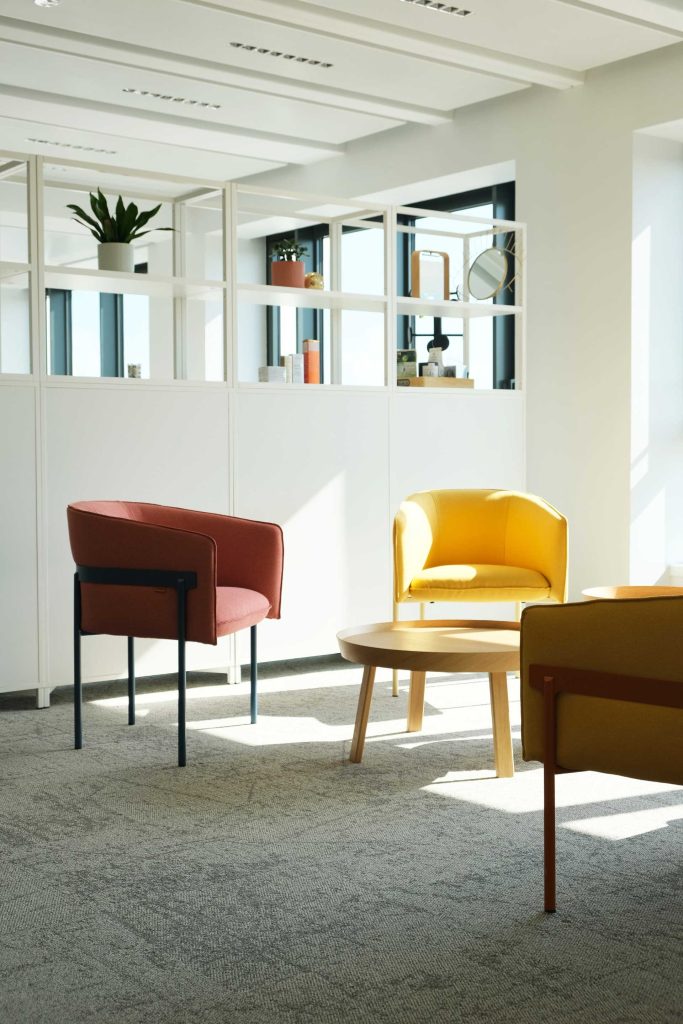
Small living room with red and yellow armchairs, light wood coffee table, at NAOS, by Parella

THANK YOU

Your message has been sent.
We'll get back to you shortly!