Changing employee expectations regarding their work environment.
A new balance between flexibility and well-being. The world of work is undergoing a profound transformation, driven by the rise of remote work, digitalization, and a growing awareness of the importance of well-being in the workplace.
Employee expectations are changing, and companies must adapt to provide workspaces that are flexible, comfortable, and inspiring. This shift affects not only the layout of offices but also the way employees perceive their work environment.
Today, they seek a balance between freedom and comfort, performance and peace of mind, interaction and concentration.
A growing demand for flexibility in space planning
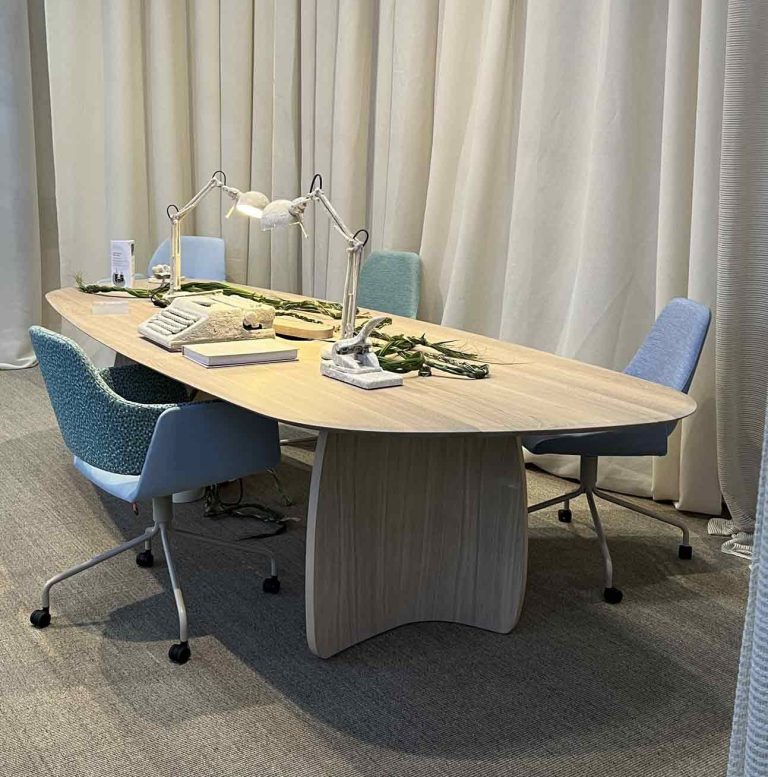
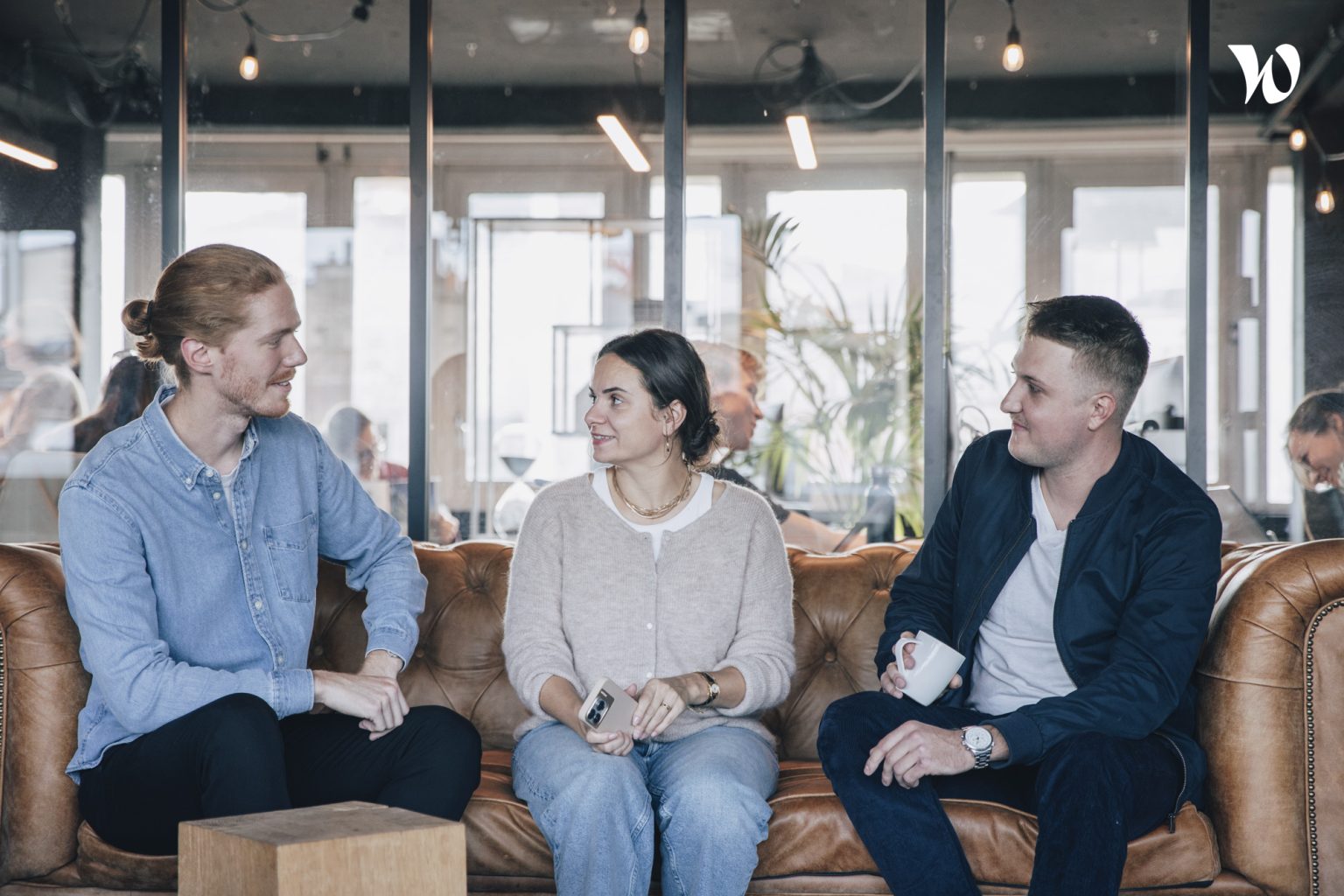
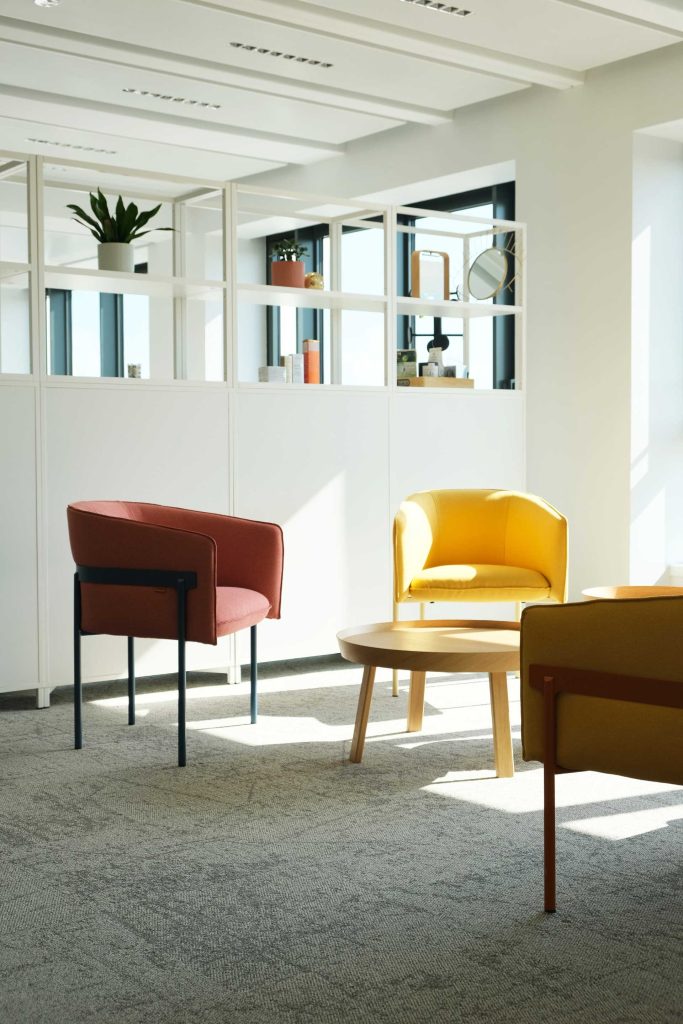
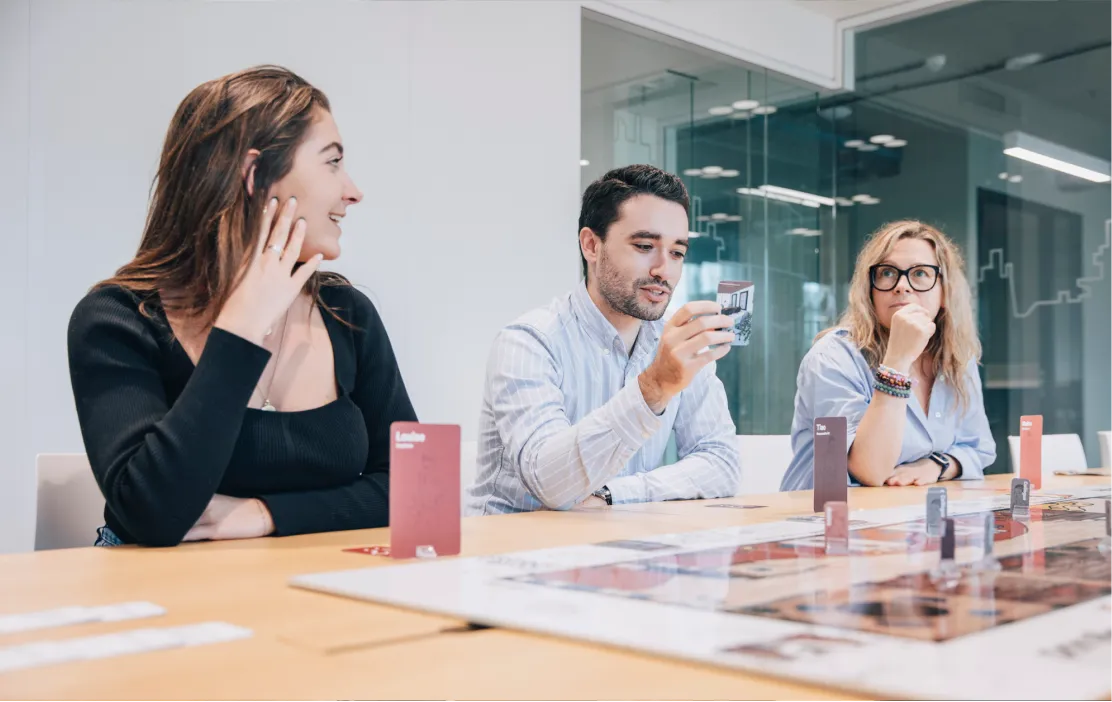
Employees no longer want to be confined to a rigid model where every day is the same. Remote work, which has become widely accepted, has shown that it is possible to be productive outside the office. As a result, they no longer want a forced return to the old ways, but rather a hybrid approach where they can choose their workplace based on their needs and tasks. Companies must therefore rethink office design by offering spaces tailored to different purposes: open collaboration zones to foster interaction, private spaces to facilitate concentration, and relaxation areas to promote well-being.
Furthermore, the concept of assigned desks is fading in favor of flexible, adaptable workspaces. Traditional open-plan offices, often criticized for their lack of privacy and ambient noise, are being redesigned to be more flexible and pleasant to work in. The key is to provide an environment that makes employees want to come to the office not out of obligation, but by choice, finding genuine added value compared to working from home.
Well-being in the workplace: a key factor in employee engagement
Employees’ expectations go beyond a simple reorganization of workspaces. Well-being at work is now a priority, and companies must incorporate this aspect to boost their teams’ motivation and productivity. An office should no longer be merely a temporary stop where people sit down to perform tasks, but a true living space where comfort and health are prioritized.
Well-being at work depends largely on the layout of the spaces and the atmosphere within them. An oppressive, noisy, or impersonal environment can quickly undermine employee motivation and concentration. To foster a positive dynamic, companies are increasingly focusing on spaces that promote social interaction, areas conducive to relaxation, and initiatives that encourage a balance between performance and personal fulfillment. Far from being a mere luxury, these arrangements have a direct impact on employee engagement and their ability to work effectively and calmly.
By creating a more human work environment centered on employees’ needs, companies not only become more attractive but also improve their performance. Fulfilled employees are more motivated, more creative, and more committed to their work.
You may also like...