Why "dwell time" has become the new currency in commercial interiors
For years, dwell time has been a familiar metric in the retail industry—a simple equation that links “time spent” to “probability of purchase.”
Recently, however, dwell time has evolved into something much more powerful: a measure of emotional connection, comfort, and a sense of belonging.
Over the past decade, environments have been optimized for speed. Seamless digital journeys, one-click transactions, agile workplaces. Yet human behavior has changed, and consumers and colleagues alike now seek spaces that allow them to slow down while offering respite, a tactile dimension, and room to form authentic connections.
As highlighted in Deloitte's study on consumer trends for 2025, people are increasingly drawn to sensory and analog experiences that counterbalance digital overload. For example, retail is shifting from an organizational layout to experiential flagship stores that encourage exploration and social interaction. We are seeing workplaces rethink their purpose, with time spent on site becoming an indicator of engagement, belonging, and well-being. And the hospitality industry, which has always been the benchmark for emotional connection, continues to shape expectations for comfort, attention, and service design.
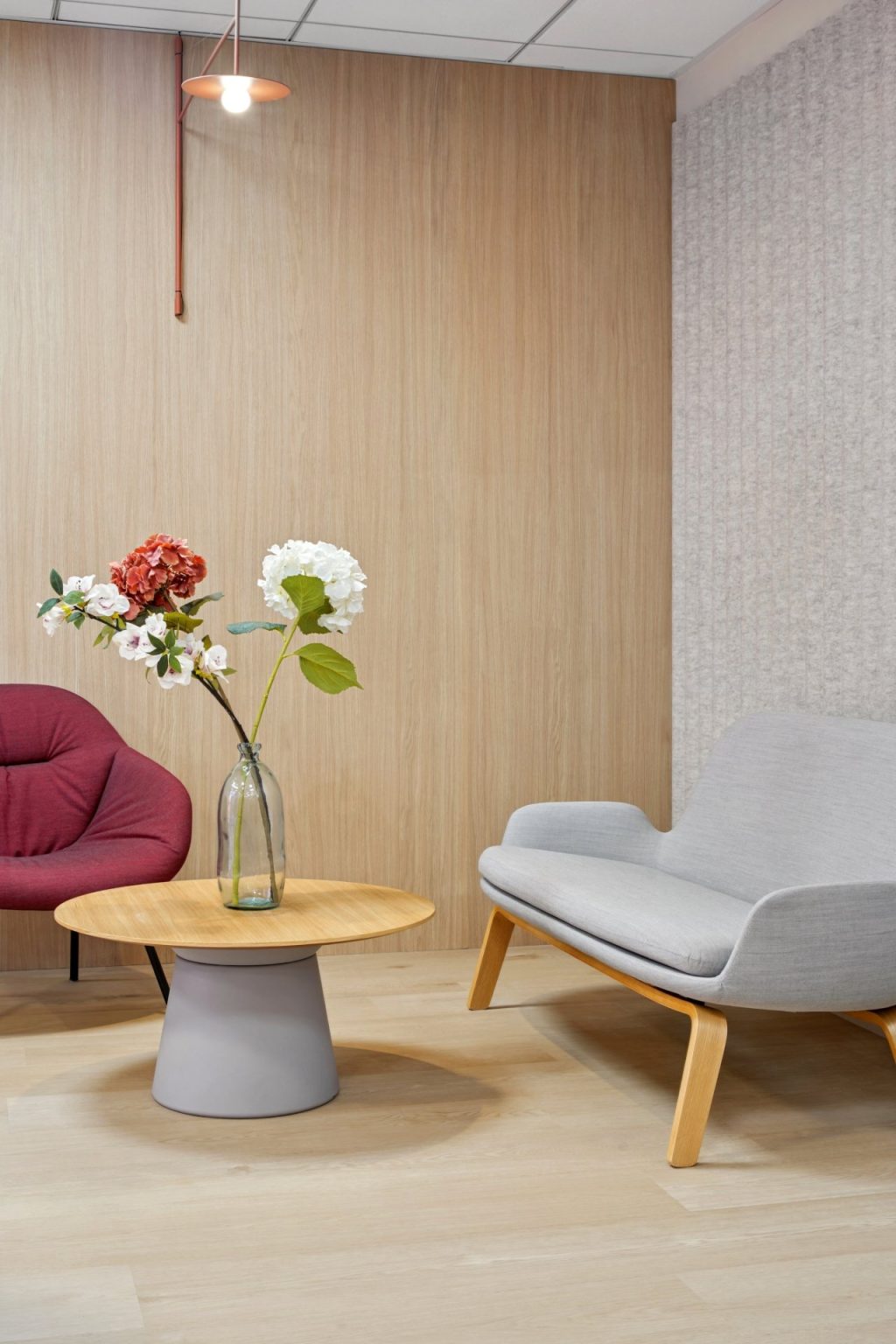
However, living space is not solely the result of design, but rather the result of design and execution: the quality of the woodwork, the responsiveness of the lighting, the acoustic comfort, and the comfort underfoot. And to top it all off, trust between architects, clients, and contractors is the secret ingredient that ensures that the vision is transformed into a lived experience.
Square footage, financial plans, and schedules remain essential, but the spaces that will succeed are those that respect people's time and will be rewarded with more time. To learn more, check out our latest guide, "Designing for Well-Being: Why Time, Trust, and Tangibility Define the Next Era of Interior Design."
You may also like...