WHY SOME STORES KEEP CUSTOMERS

Stores retain customers

Why retailers design stores that customers want to linger in

For some major retail chains, the time has come to enter a new era.

While online shopping wins out in terms of speed, brick-and-mortar stores win the battle for the customer experience, because today, the most successful stores aren’t the fastest or the ones with the highest transaction volumes, but the ones where customers choose to linger.

Time spent in a store has long been associated with conversion in terms of sales, but its role now extends to measuring emotional connection, brand memory, and sensory satisfaction. When customers linger, they explore more, engage more deeply, and, most importantly, want to come back.

Retailers recognize that people don't just want "things"—yes, sometimes people go to a store to buy something specific and leave right away—but often, shoppers take advantage of the opportunity to spend the day and seek out environments that evoke emotions.

Stores retain customers
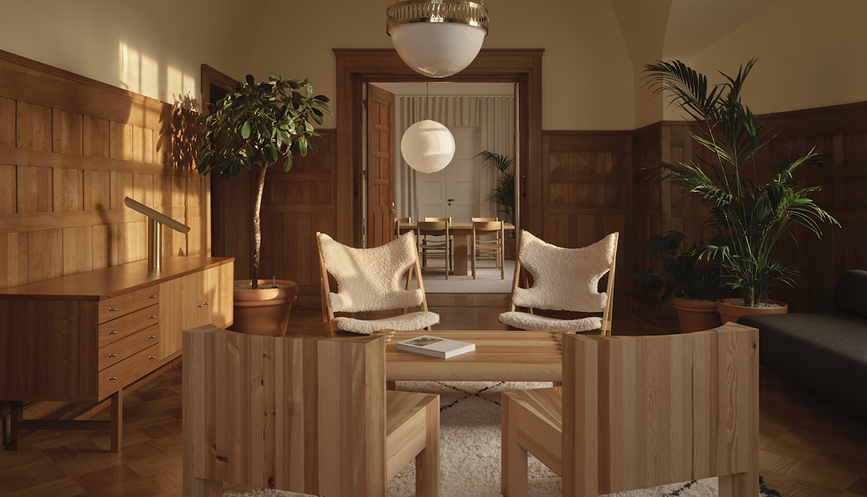
© Berg & Ridge Helsinki Office by Fyra Design Agency

It is this emotional resonance that determines the amount of time spent in the store, but what tools and tactics can we use to create such a feeling? 

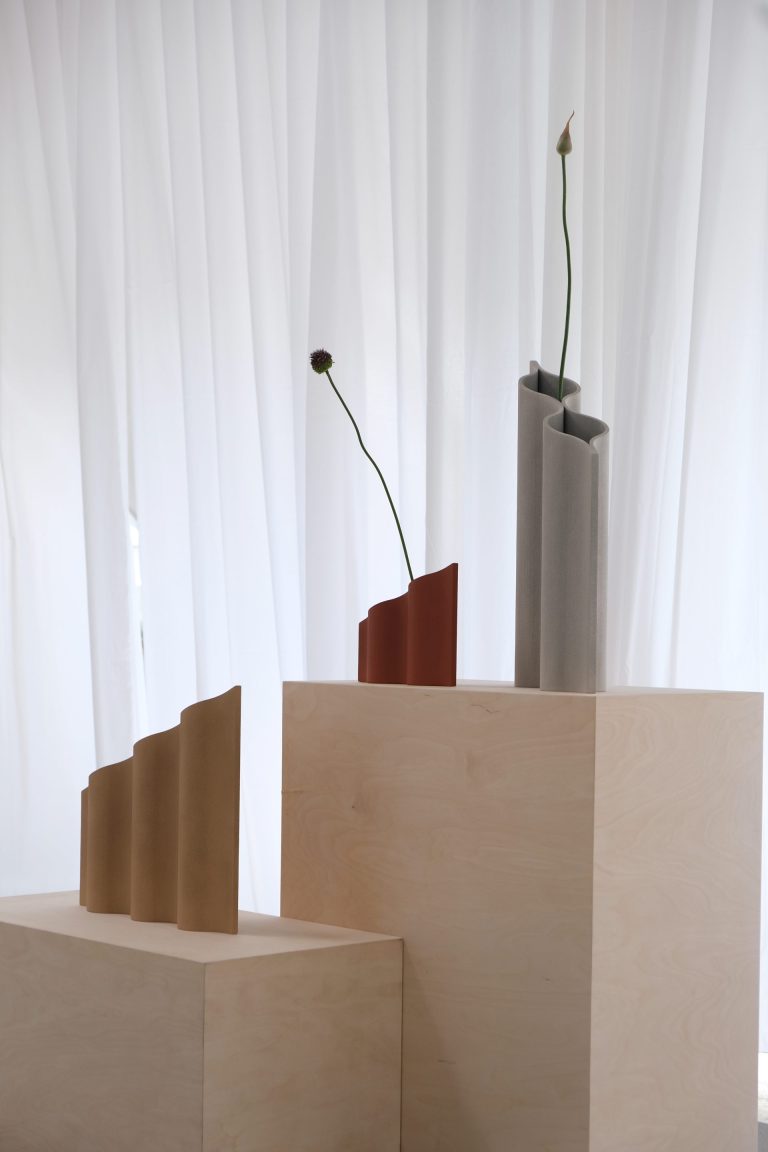
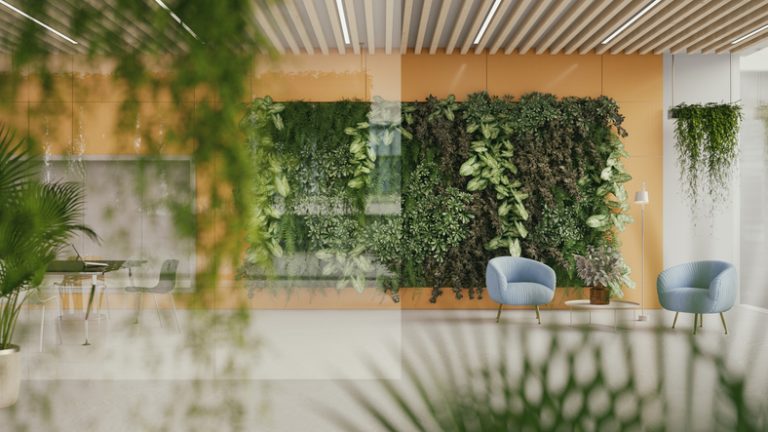
  • Materiality and atmosphere – Natural finishes, warm lighting, and soft acoustics give the impression that the spaces were designed with care rather than built for commercial purposes.

  • Breaks – Moments to sit down and breathe, or a stroll through the store that encourages customers to linger quietly and admire the carefully arranged displays.
  • Sensory balance – Scents (even outside the store), touch, quiet areas, and visual clarity can all help counterbalance digital overload.

  • Telling a story through space – Brands that express their identity through materials, layout, and product display create environments that feel meaningful rather than generic.

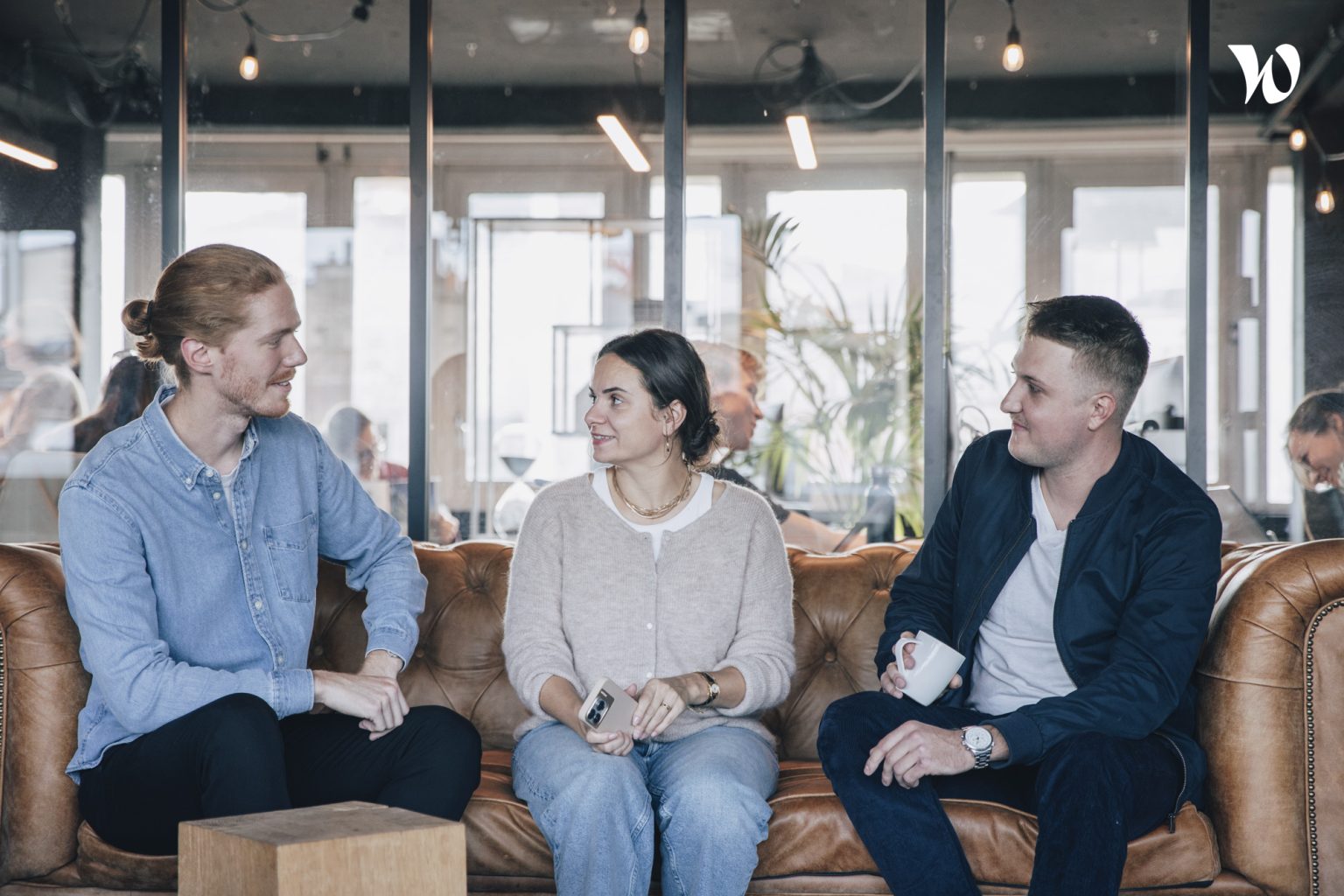
  • Influence of the hotel industry – From attentive service to comfortable spaces where customers can take a break, the retail sector draws much of its inspiration from the hotel industry.

Of course, the living room is not only a design challenge, it is also a delivery challenge, and commercial interiors must meet higher standards in terms of finish, durability, and consistency to ensure that the atmosphere remains welcoming long after opening day.  

With every detail contributing to the emotional ambiance of the store, spaces that provide a sense of well-being are prime candidates for becoming part of shoppers' daily habits and weekend rituals. So much so that it could be argued that time spent in-store is no longer about retaining customers, but about earning a place in their lives.

This theme is explored in our latest guide, written in collaboration with IA, entitled "Designing for Dwell(being): Why time, trust, and tangibility define the next era of interiors."

You may also like...

Workspace Expo 2026
As the leading European event for the office sector, Workspace Expo brought together manufacturers, ... from March 24 to 26,
Active Design
- With the Olympic Games just around the corner, some of our customers are wondering about the benefits of Active Design...
Flex office, coworking, teleworking: what impact on the real estate market?
- Working patterns are changing at an unprecedented pace, influenced by the rise of telecommuting, the...
Article Office Paper

OFFICE PAPERS

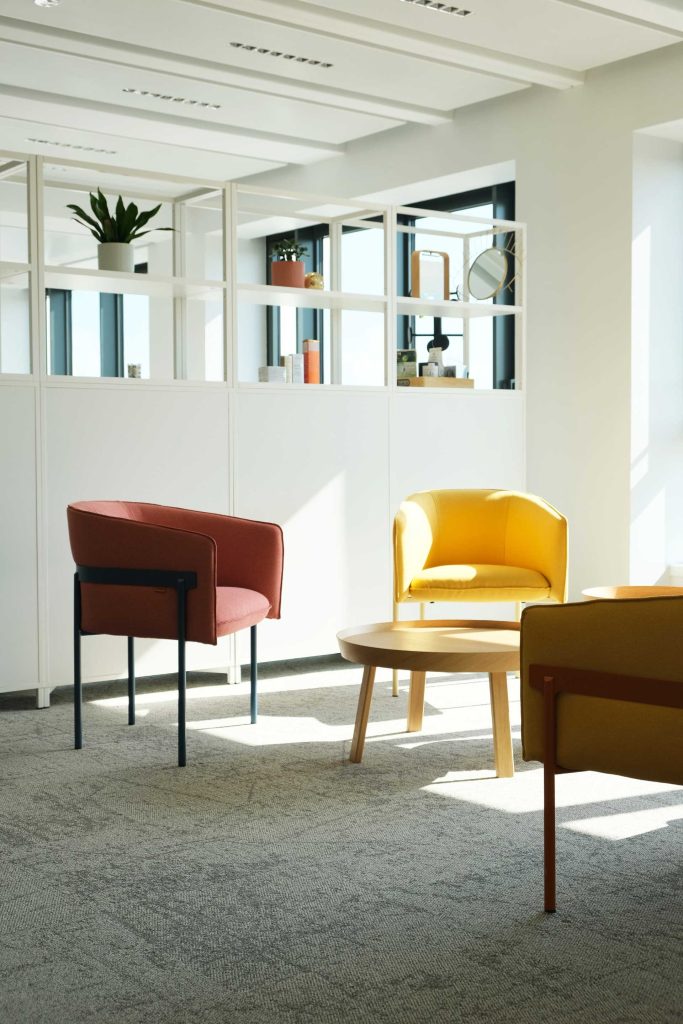
Small living room with red and yellow armchairs, light wood coffee table, at NAOS, by Parella

THANK YOU

Your message has been sent.
We'll get back to you shortly!