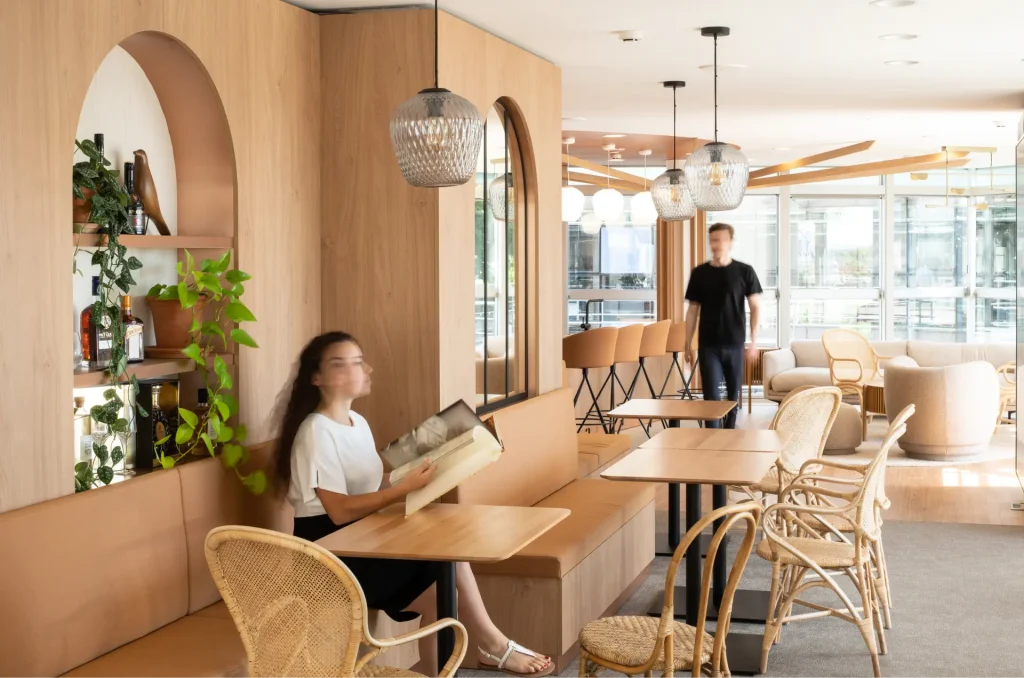
Real estate is a powerful lever. We can help you put it to work for your strategy, your ambitions and your performance objectives.
01 / We light up
We shed light on your real estate decisions and help you deploy relevant, agile strategies that stand the test of time.
02 / We imagine
We design spaces in which your employees enjoy immersing themselves, sharing, innovating, expressing themselves, entertaining and meeting each other.
03 / We support
We support projects involving offices, warehouses, sales outlets, hotels, land, industrial wasteland, nursing homes, etc.
04 / We are apprehensive
We understand all aspects of your projects (technical, market, legal, financial, HR, organizational, etc.) and are committed to implementing our recommendations.
3/4
Would you like to...

4/4
You're wondering about...

Discover our projects.
Because you set ambitious, committed and unique objectives, we deploy creative methodologies and rigorous approaches to ensure the success of your projects.
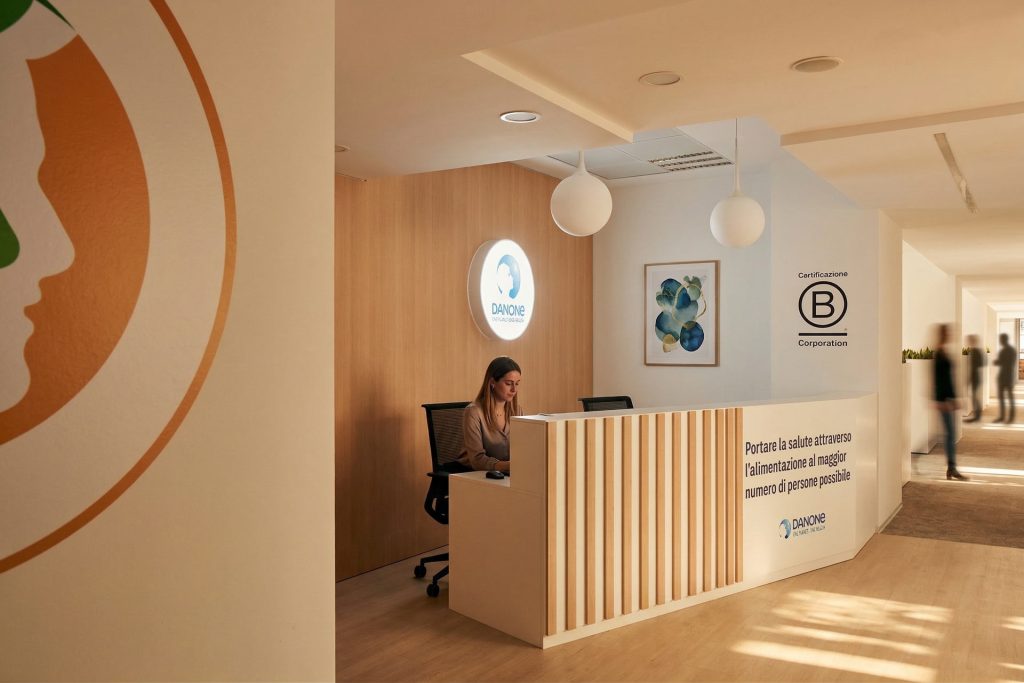
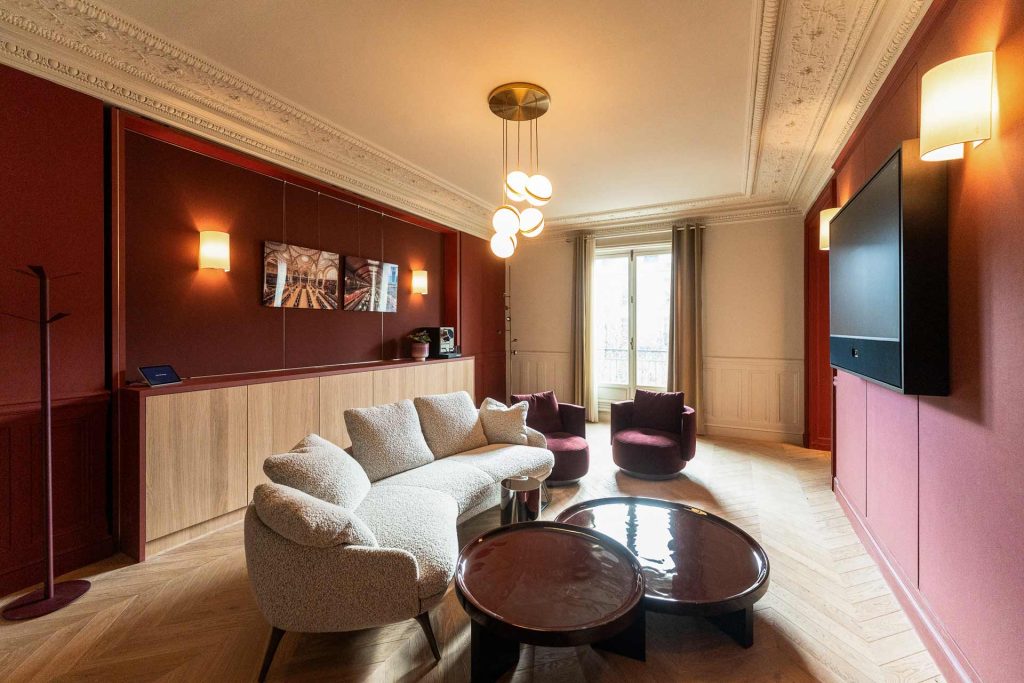
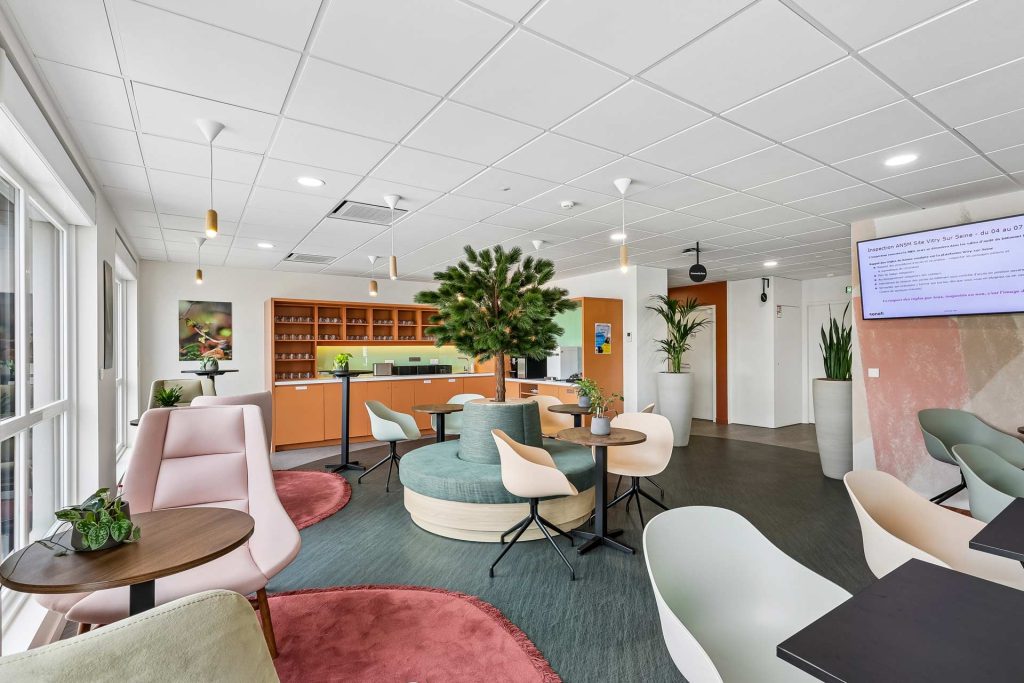
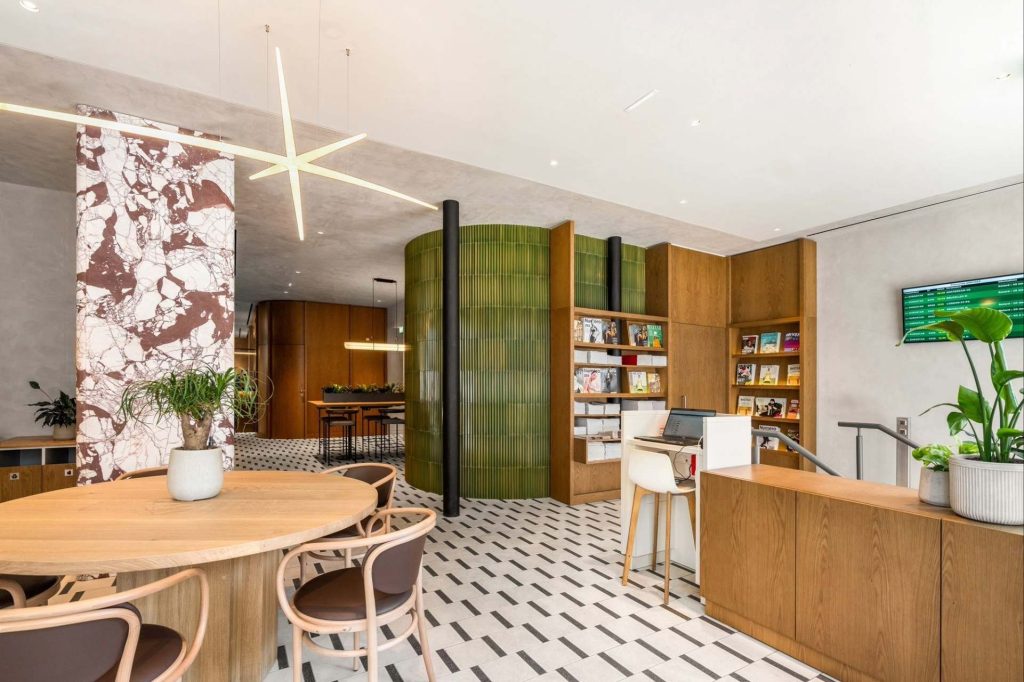
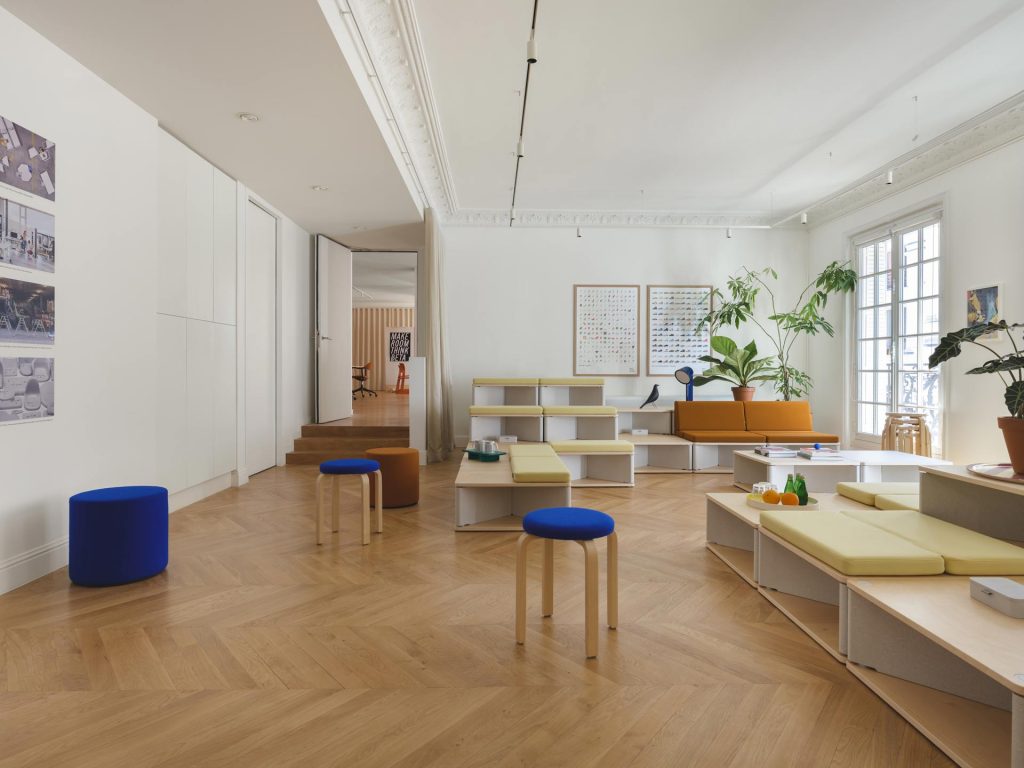
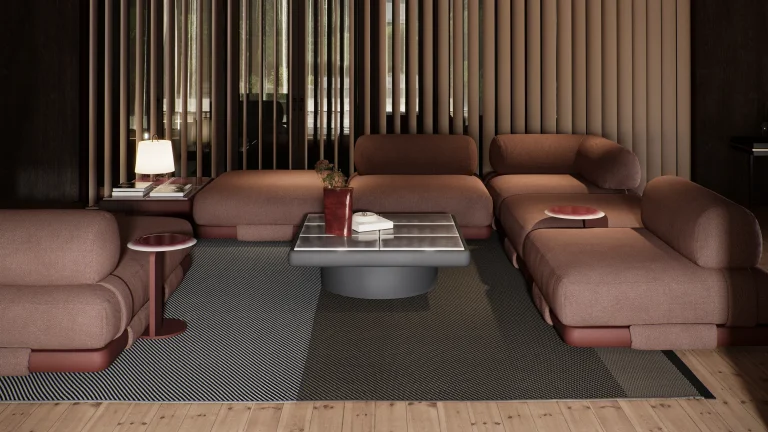
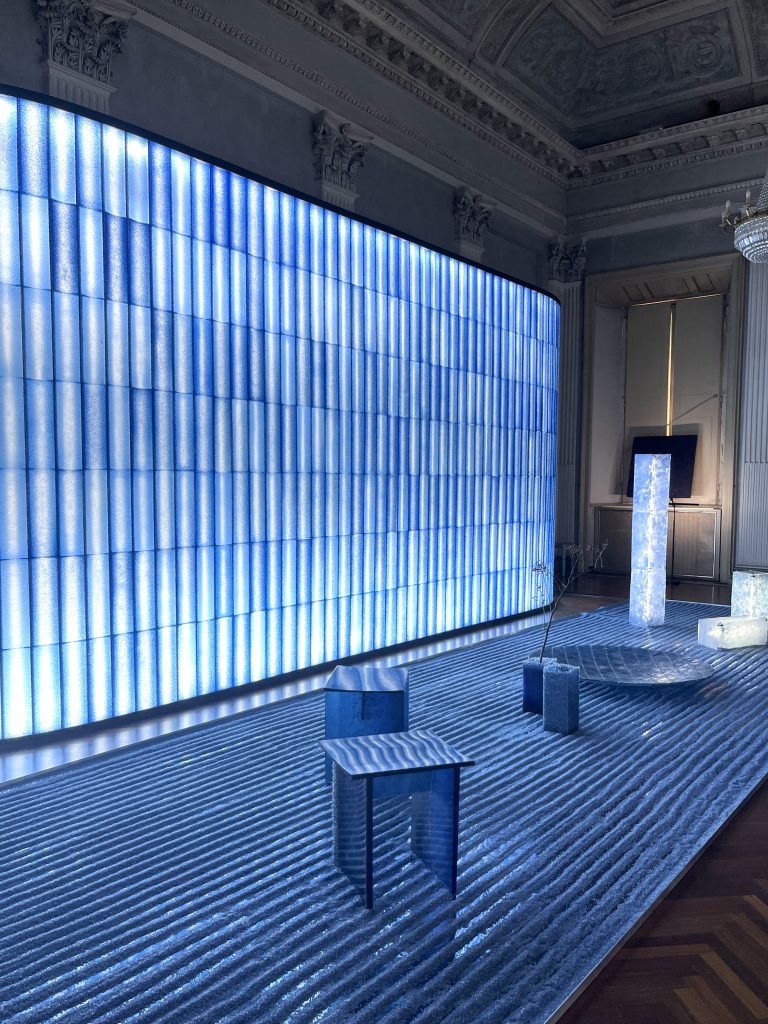

We provide the same quality of service wherever you need us.
We have offices in 9 countries and have carefully selected partners within the Exis Global network to serve you worldwide.
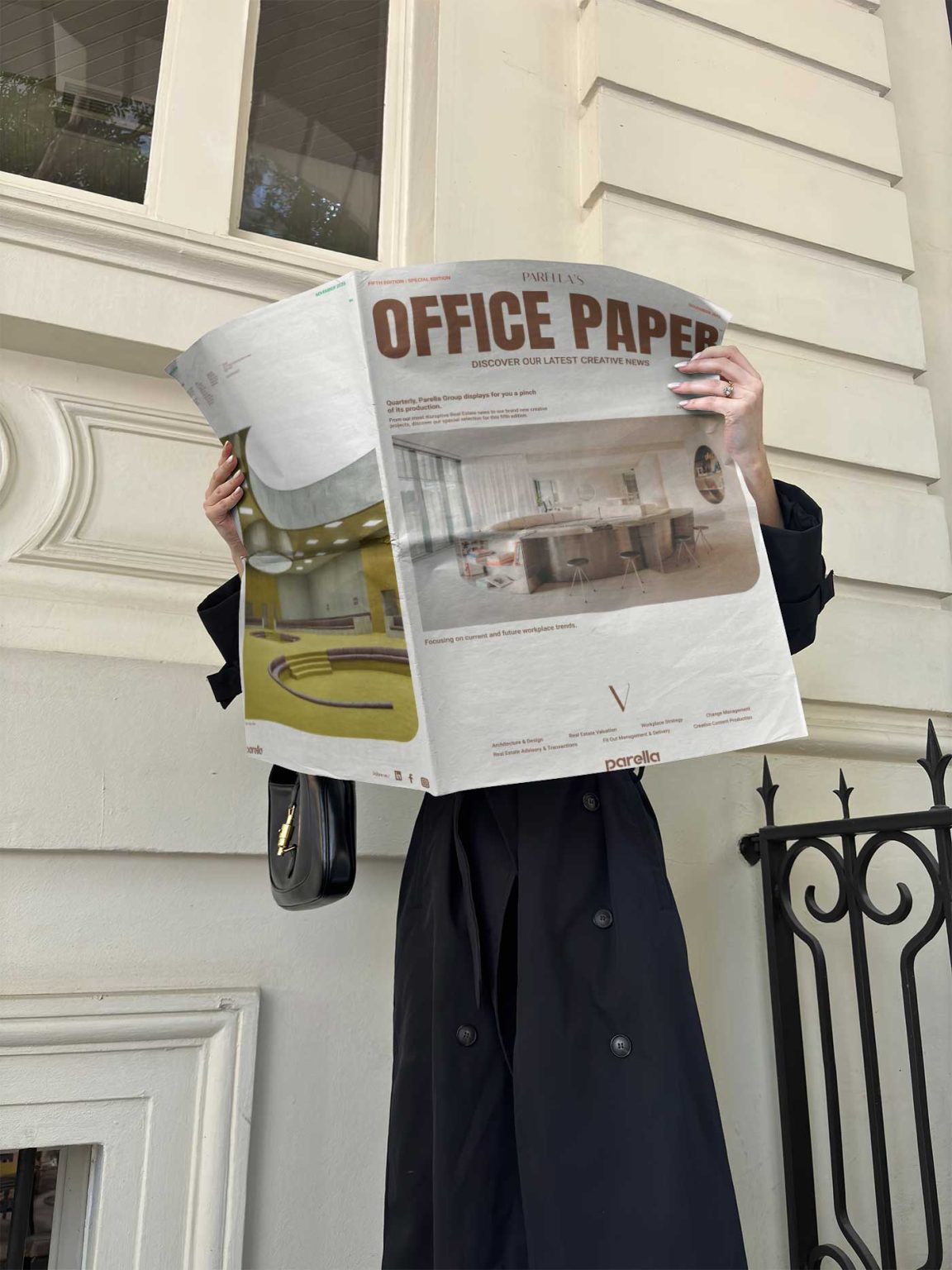
We share with you our views and about our sector.
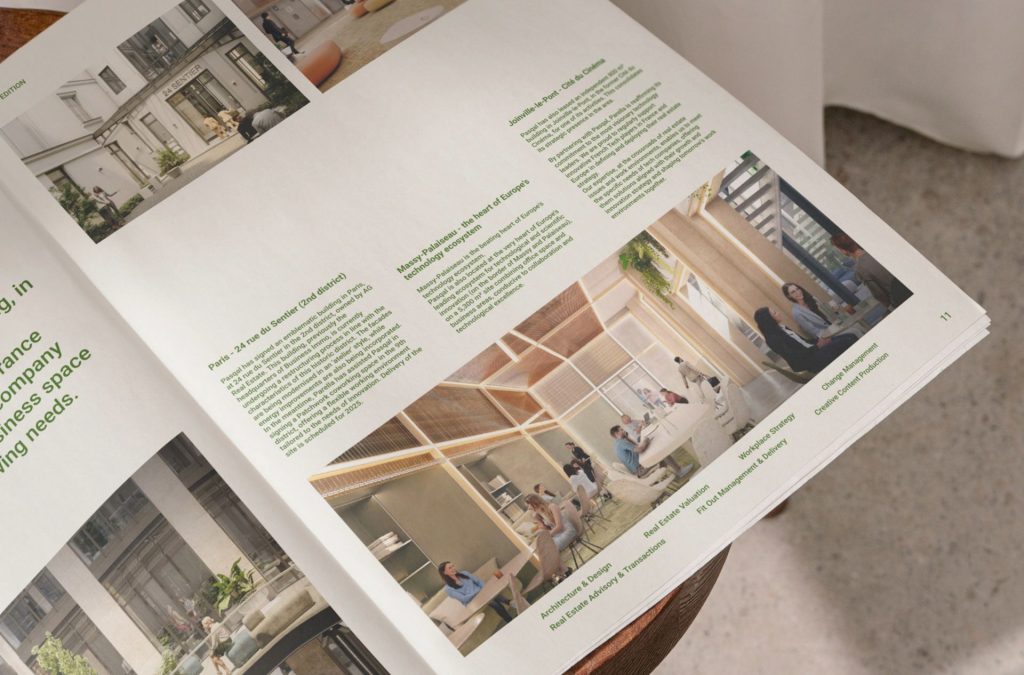
Parella presents its quarterly journal, a 32-page digitized content illustrated with Parella's flagship projects to imagine tomorrow's workspaces.
For which professions? For brands, managers, freelancers, architects, decorators...
Consultants with varied backgrounds (law, finance, architecture, engineering, business school, etc.). Specialists who continually train to obtain accreditations and develop their expertise.
Many of our consultants hold international professional accreditations.
This is particularly true of the Parella Valuation team (real estate appraisal and valuation), with REV by TEGOVA and IFEI accreditations. The same is true of our People & Transformation team, with accreditation for the Workplace Game © from the Center for People and Buildings (CfPB).





Looking for a collective adventure where no two days are alike, where everyone learns from each other, and where you feel you're building the future?
At Parella, we're singular because we're plural. Convinced that our strength lies in the variety of profiles that make up our teams, we never close the door on anyone.
During our recruitment processes, your motivation, openness, team spirit and commitment to our values will make all the difference.
* Join us
A project?
- Let's talk.
You can find us at
105 Rue du Faubourg Saint-Honoré,
75008 Paris, France
Information
+ 33 1 85 65 55 00
fr
*See our Terms & Conditions and Privacy Policy.
105 Rue du Faubourg Saint-Honoré
75008 Paris
FRANCE




Your message has been sent.
We'll get back to you shortly!