Healthy office: the impact of space on employee health

HEALTHY OFFICE: THE IMPACT OF SPACE ON EMPLOYEE HEALTH

We all spend many hours at the office.Have you ever wondered if your work environment affects your health and that of your colleagues? 

Light, air, noise… the entire work environment has an impact. 

You know that gray, cramped spacesdon’tinspire or motivate, and maybe, deep down, you feel like you could do more.
But it’s not easy—I get it. There are always a thousand other, more urgent priorities, and sometimes we tell ourselves that having chairs and tables is enough, right?

But in reality, a healthy space is so much more than that.
It’s a place that breathes, that feels alive, that takes care of your team just as much as it takes care of your business. 

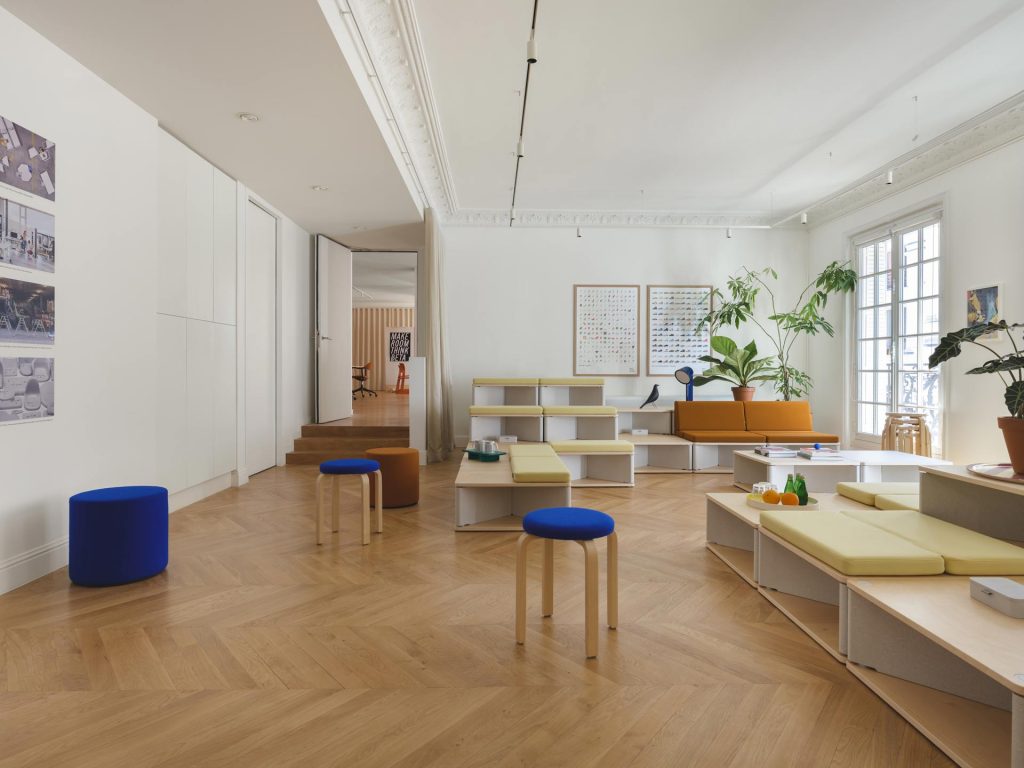
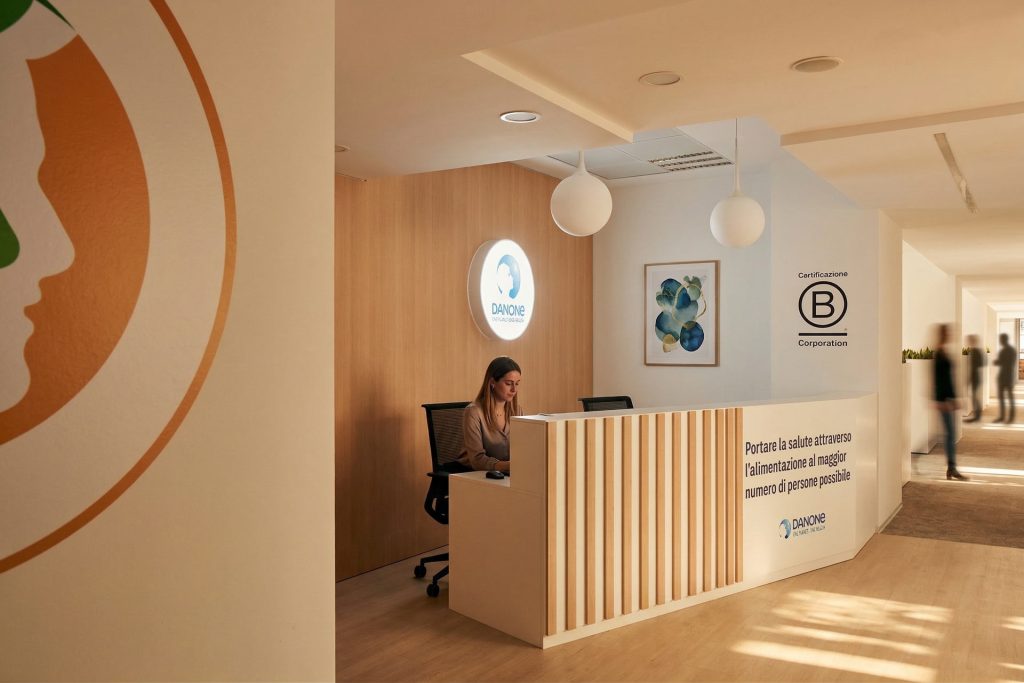
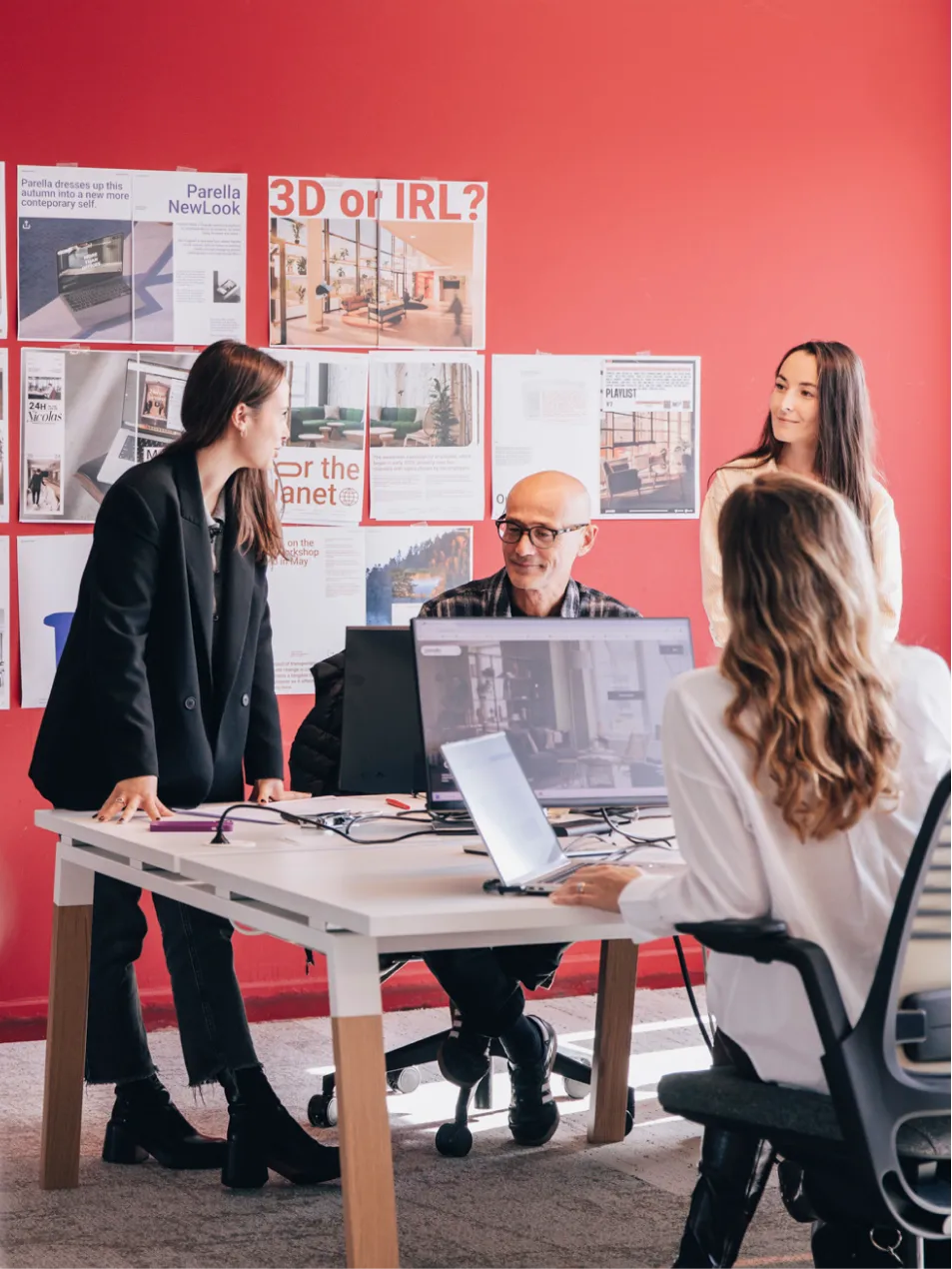
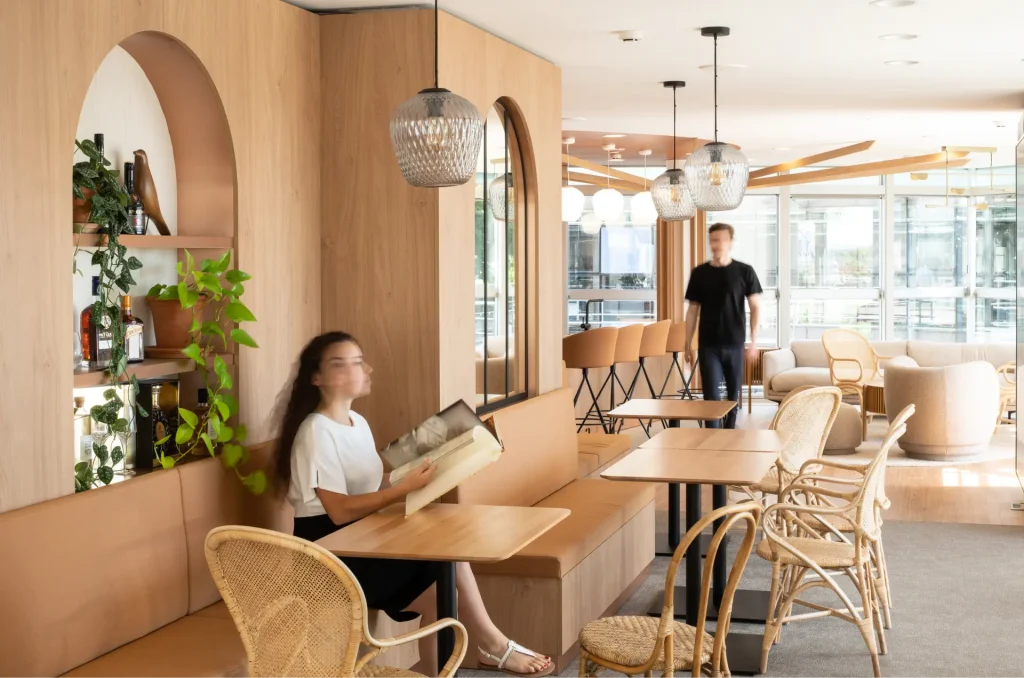
Decorative photo blog post - Open space with decorative plants

Imagine walking into your office and feeling a pleasant atmosphere that invites you to be productive without straining your body or mind.
Sounds dreamy, doesn't it?

Today, many companies are focusing on healthier workspaces - and rightly so. Well-being in the office goes beyond productivity: it has a direct impact on employees' physical and mental health.

When we think of well-being, we often imagine a yoga retreat or a quiet Sunday at home. But well-being counts at work too.

There's a strong link between the physical environment of an office and the way it makes you feel. A poorly designed space can lead to fatigue, physical pain and, worst of all, stress.

According to the WHO (World Health Organization), studies have shown that initiatives to improve the working environment reduce absenteeism by 27% and corporate health costs by 26%.

I know that sounds like a lot, but it doesn't have to mean rethinking everything. Sometimes, simple adjustments - like improving natural light or installing ergonomic furniture - can reduce absenteeism by up to 30%. And that makes sense, doesn't it?

If you spend eight hours or more every day in an uncomfortable space, it's only natural that it will eventually affect your mental and physical health. A healthy work environment reduces absenteeism and improves job satisfaction.
People want to work in a space where they feel comfortable and valued.

Elements that impact health

Natural light is one of the most important elements in designing a healthy office. 

Have you ever spent a whole day in a windowless room? 

Lack of light affects mood and energy.
We need natural light to regulate our biological clock, and its absence can even lead to depression.
According to a study by Cornell University's Department of Design and Environmental Analysis, employees located less than 3 meters from a window reported 84% less visual fatigue, headaches and blurred vision.

Here are some ideas for rethinking your office lighting:
- Consider adding skylights.
- Identify areas or positions exposed to excessive glare.
- Maximize use of natural light.
- Move or remove bulky furniture that blocks light.
- Eliminate faulty or flickering lighting.

The key is to combine different types of lighting, such as mood lighting and functional lighting.

Ergonomics

According to EU-OSHA (European Agency for Safety and Health at Work), MSDs (musculoskeletal disorders) are one of the most common work-related health problems in Europe.

Over 60% of European workers claim to have suffered from an MSD related to their working conditions. Ergonomics aims to design spaces and furniture that are adapted to the human body.

It's not just a question of comfort: it's a question of health. Chairs that properly support the back, desks at the right height, screens positioned at eye level... all these elements make a real difference to employees' health.

Ergonomic furniture can reduce the risk of injuries linked to poor posture and, ultimately, significantly improve well-being at work. It's a bit like a custom-made shoe: when it fits well, you can feel it right away. And when it doesn't... you feel it.

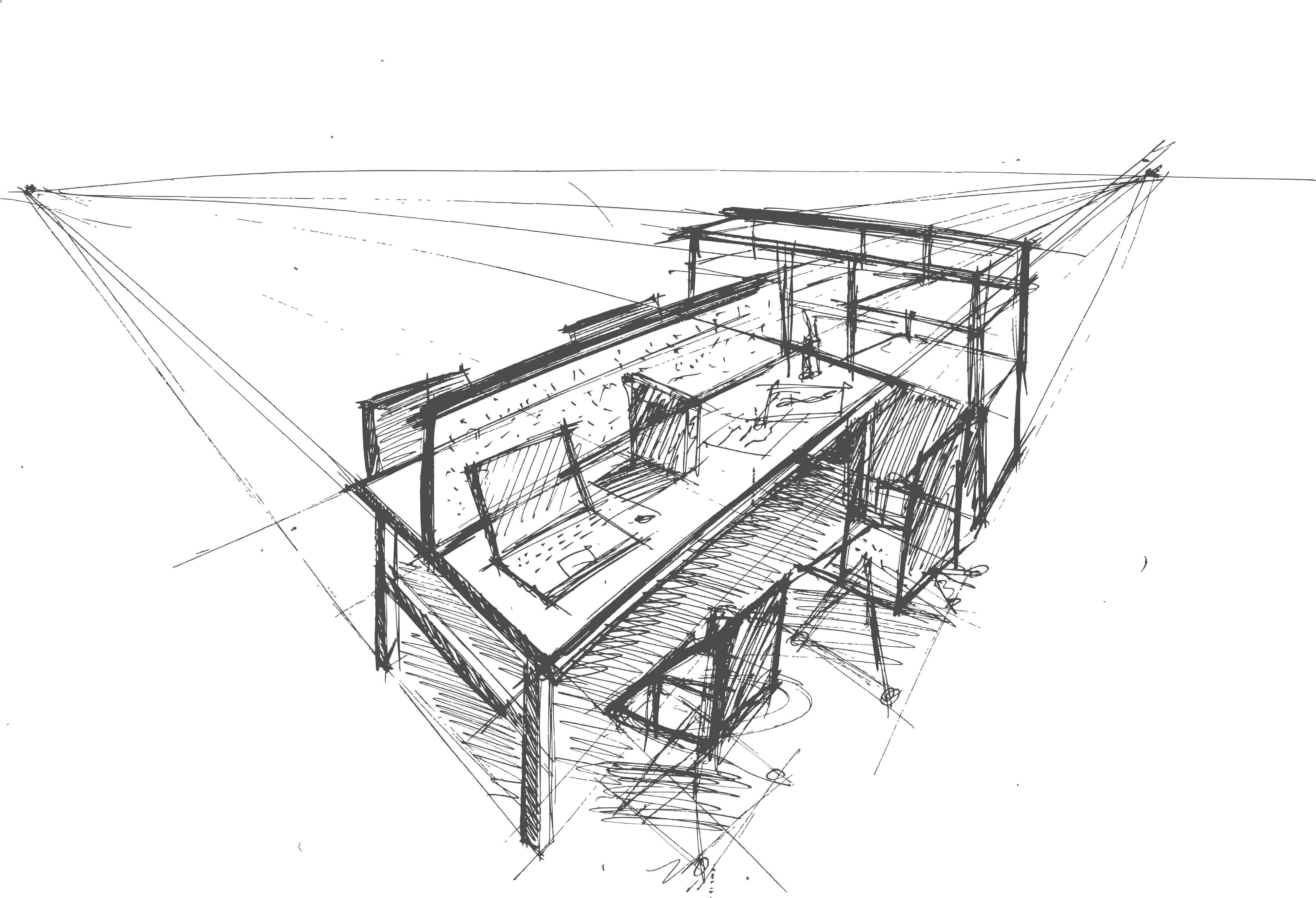
Decorative photo blog post - Open-plan office

Noise reduction and acoustic design

According to the INSST (National Institute for Occupational Safety and Health), in Spain over 10% of workers are exposed to noise levels exceeding recommended limits - with potentially serious consequences for health. Open-plan offices, where everyone shares the same space, can become a real hubbub: conversations, telephones, keyboards...

Even though this type of layout encourages collaboration, it can be detrimental to concentration and quality of work.
This is whereacoustic designcomes into play.
Incorporating sound-absorbing materials - such as acoustic panels or reverberation-reducing floors - helps reduce echo and ambient noise.

It's also a good idea to provide separate, quiet areas for moments of concentration or important calls.
The aim is not to achieve total silence, but tocontrol noiseto create a smoother, less stressful environment.

Air quality

The air we breathe also has a direct impact on our well-being.
Poor ventilation can lead to a build-up of carbon dioxide, causing fatigue, headaches and poor concentration.

Thethermal comfortis also an essential element of well-being at work.
Investing in efficient ventilation systems that keep the air fresh and healthy is essential.

Apreventive and corrective maintenanceis essential to ensure the smooth operation of these systems, which have a direct impact on the health, performance and concentration of our teams.

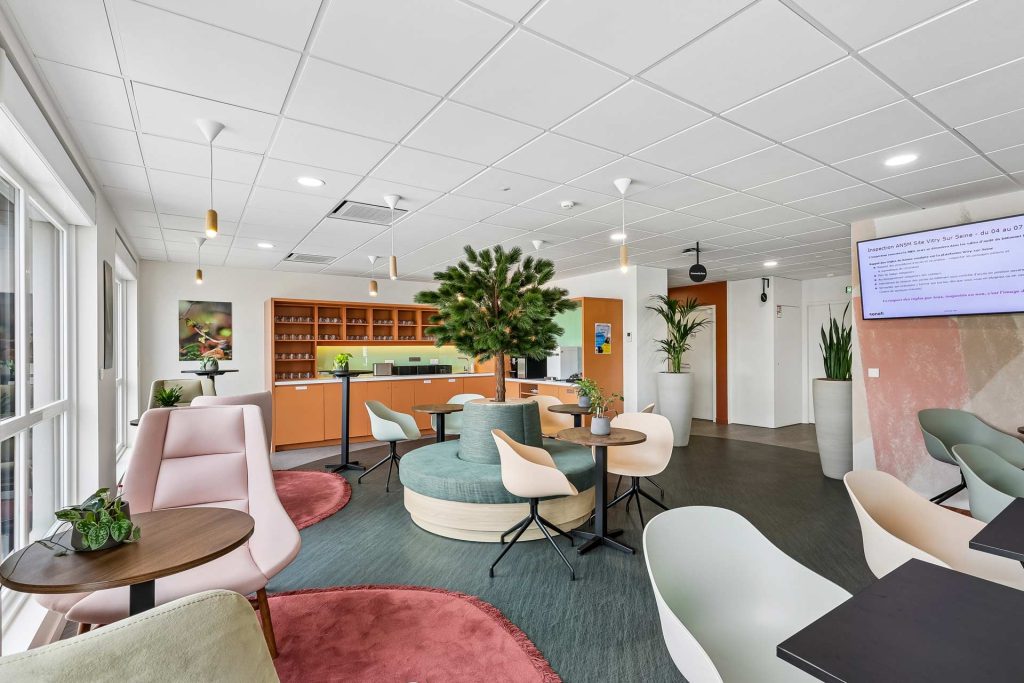
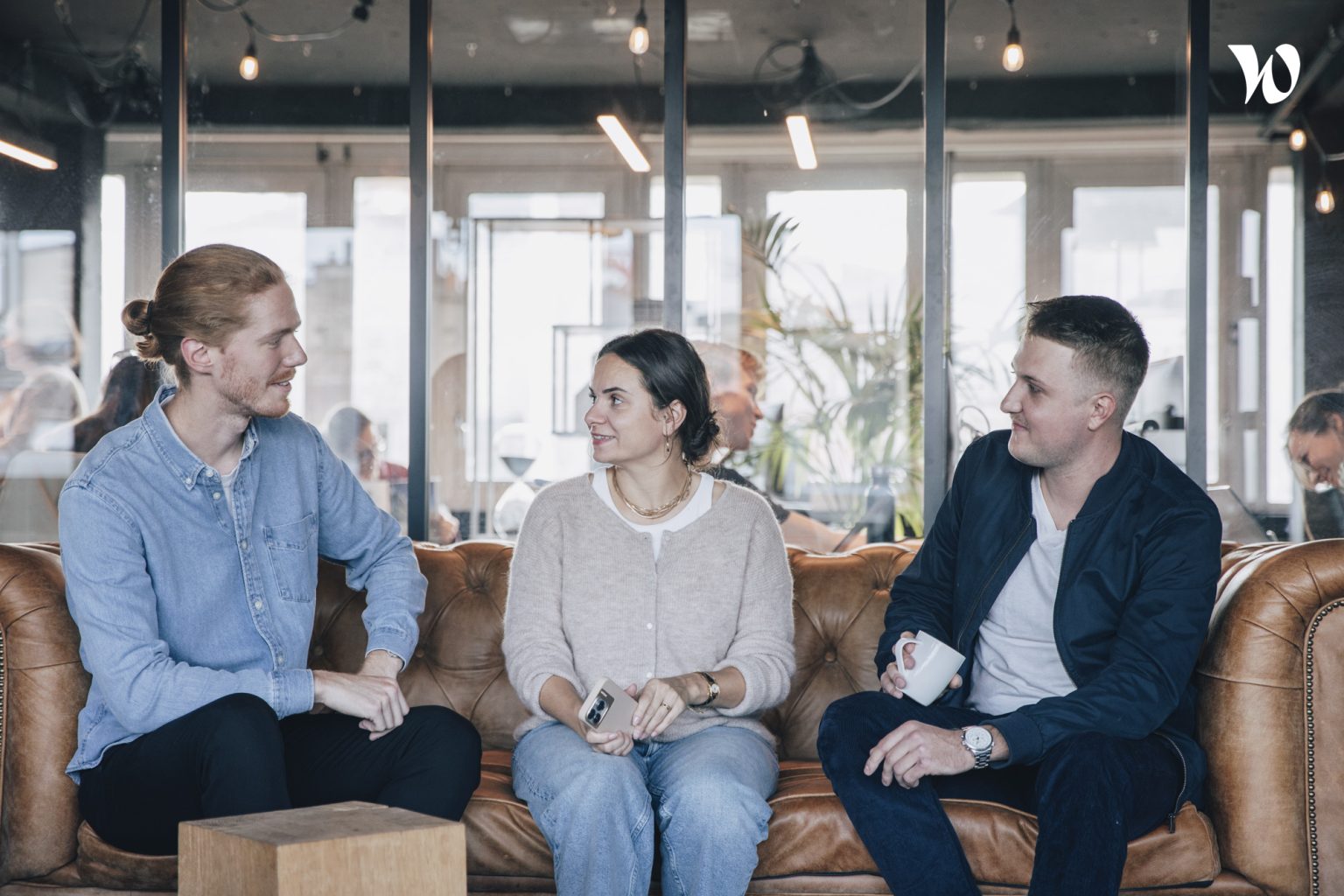
Decorative photo blog post - Open space

Inclusive design

A healthy workspace is also an inclusive workspace.

Aaccessible designallows everyone - including people with reduced mobility - to move around freely and feel fully integrated.

Ramps, wide corridors and adapted sanitary facilities are not luxuries: they are basic needs.basic needsto guarantee equal access and comfort for all employees.

Implementation & adaptation

Before redeveloping a space, it's important to know the reality of the terrain.

Carry out anaudit of the current work environmenthelps identify what's working well and what needs to be improved.
Tools such asinternal surveysor usage data analysis provide a clear, objective picture.

Rethinking an office doesn't have to be expensive or complicated.
Sometimessmall adjustmentscan generate big changes.
The key is to have abalanced visionbetween well-being and functionality, taking into account theavailable budget. And above all: nobody knows the space better than those who work in it every day.

Listening to employeesand understanding their needs is the key to creating an environment where they really feel good.
Investing in a healthy office is not a luxury, it's a necessity.

Employees spend a large part of their lives at work, and the environment in which they work can have a profound impact on their health and well-being.impact on their health and well-being.. Making the spacemore comfortable, welcoming, functional and healthyimproves not only productivity, but alsoquality of lifequality of life.

You may also like...

The Parella Group restructures its shareholder base
- Parella has placed the end-user at the heart of its business model. Through its three divisions...
Offices for your talents
- Parella has placed the end-user at the heart of its business model. Through its three divisions...
Maison & Objet 2025
Once again present at the Maison & Objet trade show, Parella continues to fuel its thinking by exploring...
Article Office Paper

OFFICE PAPERS

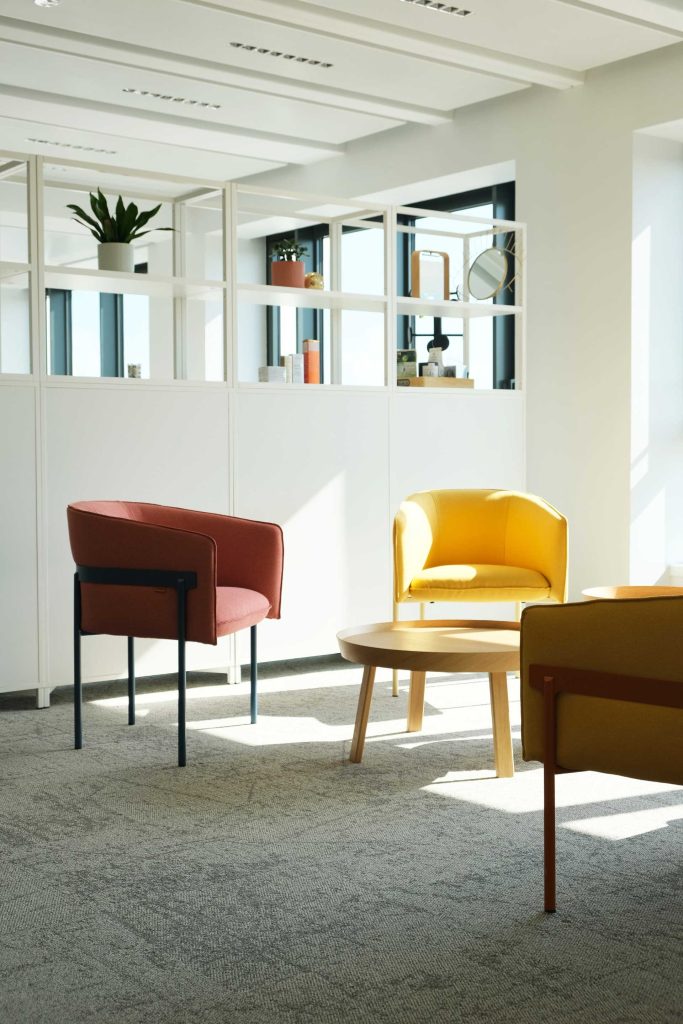
Small living room with red and yellow armchairs, light wood coffee table, at NAOS, by Parella

THANK YOU

Your message has been sent.
We'll get back to you shortly!