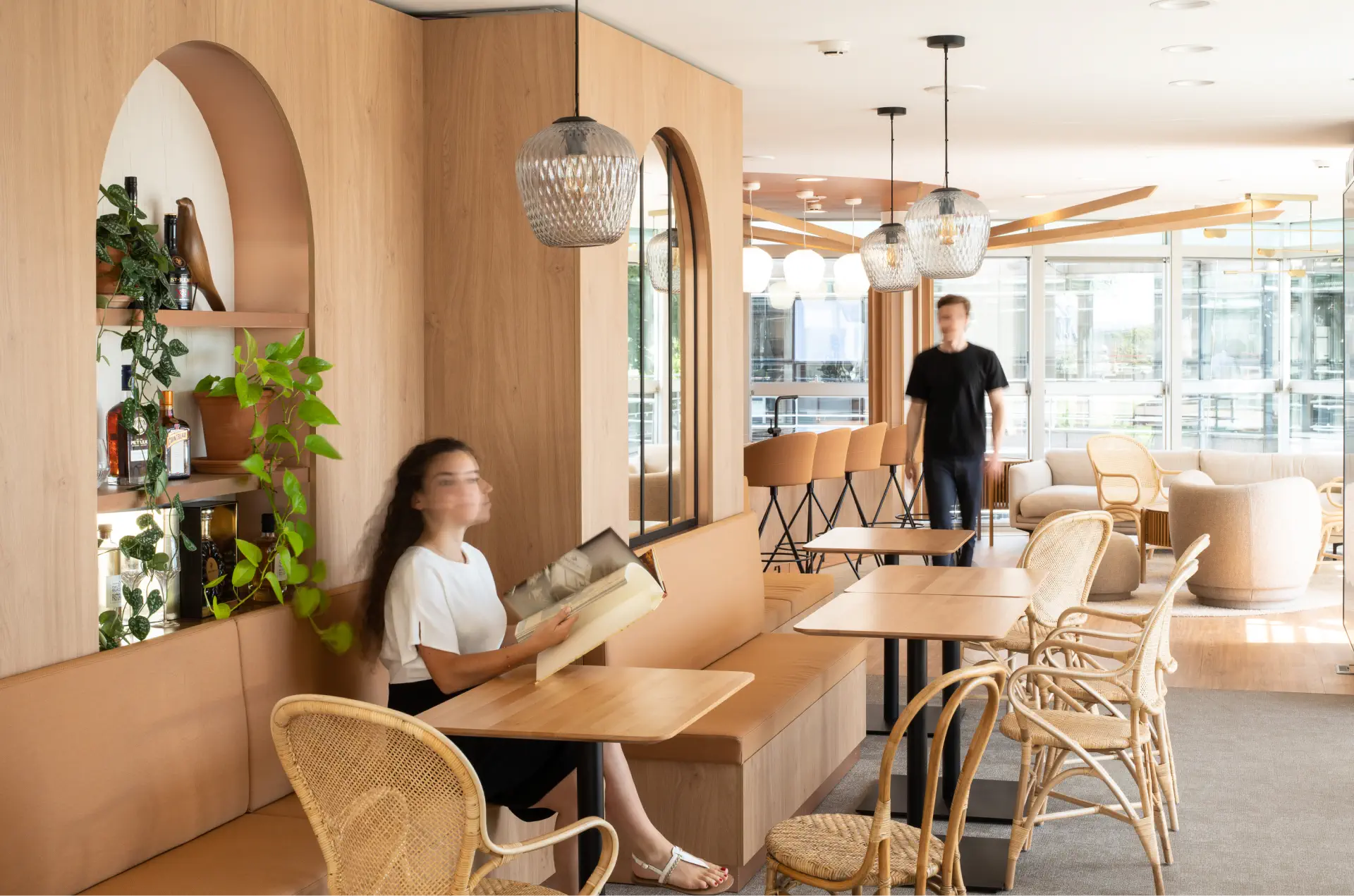
OFFICES DESIGNED TO PROMOTE WELL-BEING

Why "dwell time" has become the new currency in commercial interiors

Hybrid work has transformed offices across Europe.

Most organizations now accept that employees don’t come to the office simply because the space exists, but because it offers them something worth the trip. As a result, “time spent in the office” has quietly become one of the most revealing indicators in workplace design.

However, it is not a question of keeping employees on the premises longer, but of understanding why they stay there.


View from inside the Grand Palais: white wall, central canvas

Before 2020, the office was a default location. Today, it is a destination with a specific purpose. Employees choose to go there when this space allows them to accomplish tasks that they cannot do as effectively at home, such as collaboration, socializing, team building, and intense concentration without domestic distractions.

Attendance time reveals when these needs are being met. For example, if colleagues arrive for a meeting and leave immediately, the workplace does not seem to be suited to ongoing engagement. If people linger after face-to-face sessions to have an informal coffee or use the office as a space for reflection, you can be sure that the environment is fulfilling its function.

© Ceremony of Roses Offices by 22RE

What motivates people to linger in modern workplaces?

In short, it's a combination of environmental, emotional, and social factors, which may include: 

  • Comfort and calm – Acoustics that promote privacy, natural (rather than clinical) lighting, and spaces that reduce the fatigue associated with being "always connected."

  • Sense of belonging – Design that reflects identity and culture (colors, materials, and layout) is an excellent way to encourage people to linger by giving them a sense of belonging.
  • Flexible zones – Relaxation areas, quiet corners, reading corners, creative spaces, and project rooms that can adapt to the needs of a hybrid workforce are essential.


  • Analog balance – Tactile and sensory materials that compensate for intensive screen work take the form of natural textures, soft surfaces, and even biophilic moments.


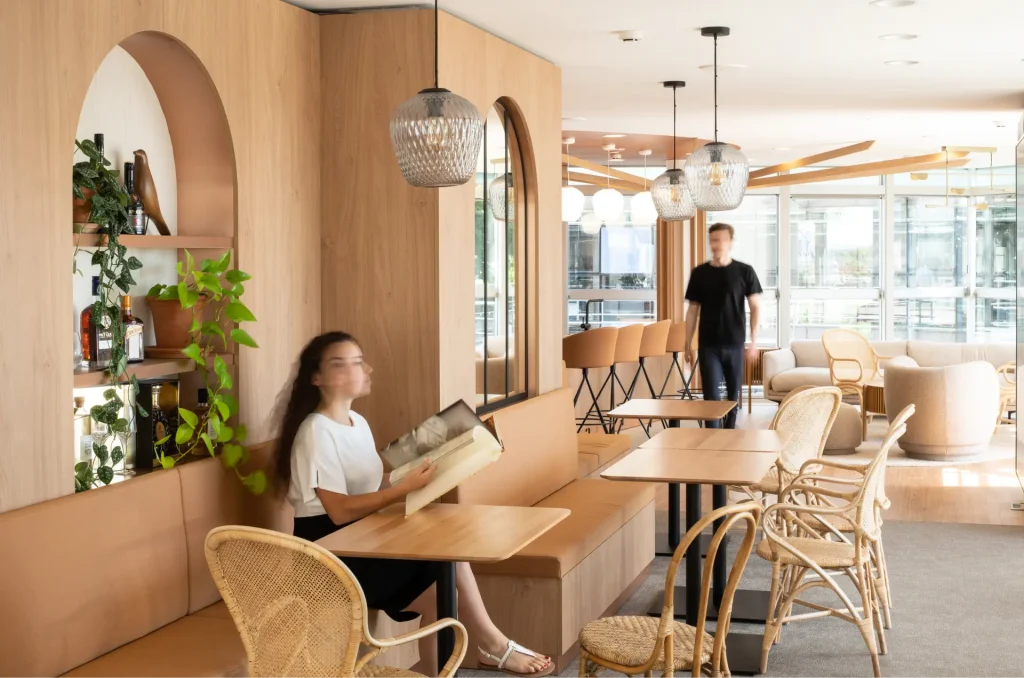
  • Micro-hospitality – Coffee areas should not be an afterthought, but a place that encourages conversation and relaxation. Careful consideration should also be given to the types of seating, as their comfort can make all the difference between staying and leaving.

Well-being at work has evolved from a simple perk to a goal in its own right, with neuroscience and environmental psychology constantly highlighting the impact of materials, light, acoustics, and sensory comfort on cognitive performance and emotional well-being. If the office does not promote well-being, employees will not linger there and will not want to return day after day.  

Even the best workplace strategy can fail if its implementation is poor. That's why organizations that design their spaces with the goal of fostering intentional presence, rather than achieving attendance targets, will naturally create spaces that attract people for the right reasons.

This theme is explored in our latest guide, written in collaboration with IA, entitled "Designing for Well-Being: Why Time, Trust, and Tangibility Define the Next Generation of Interiors." 

© Ceremony of Roses Offices by 22RE

You may also like...

Company removals: mistakes to avoid to optimize your budget
- A company move is a strategic step that involves significant costs and organization...
Post-Covid office layout
- Today's offices don't look like those of yesterday. The health crisis has profoundly transformed...
Parella Paris appoints three new Partners
- Parella , a key player in the field of corporate real estate consulting and development...

Parella Paris appoints a new Partner

Parella Paris appoints a new Partner

Parella, a leading player in the field of real estate consulting and professional space planning, announces the appointment of YounesAlla as Partner in its Paris office.

"At Parella, our partnership model is based on high standards, long-term commitment, and a strong belief that the most successful careers are built over time. We take real pleasure in seeing talented individuals like Younes Alla grow, expand their areas of responsibility, and become partners within our organization. This internal dynamic is not exclusive: it is greatly enriched by the regular arrival of new partners from outside the firm, who bring complementary perspectives and new expertise and fuel our capacity for innovation. It is this harmonious coexistence of continuity and openness that makes our collective so strong and unique," explains Olivier Neuman,President of Parella.

YOUNES ALLA

Younes joined Parella France's Workspace department in 2015, after building his career at several architecture and project management firms (including SCAU and JLL). Since then, he has played a key role in the completion of numerous commercial projects, including several complex and iconic operations, carried out on vacant and occupied sites, on existing buildings and buildings under construction.

His mastery of technical, strategic, and architectural issues, combined with a global vision of the project, has enabled him to establish himself as a leader in the management of projects as a general contractor (design and build), project manager, and project management consultant. His high standards, team spirit, and ability to secure projects for clients in all sectors make him a natural partner to support the development and excellence of the Workspace division.

You may also like...

How to negotiate a commercial lease in 2024?
- Against an economic backdrop marked by rising interest rates, changing working patterns...
Outlook and transformation of the Spanish labor landscape
- The labor landscape in Spain, as elsewhere in Europe, has undergone a number of changes in recent years...
Real estate trends 2024
- Commercial real estate is undergoing a major transformation. Between the evolution of working methods, the...

THE LENGTH OF STAY IN COMMERCIAL INTERIORS

Why "dwell time" has become the new currency in commercial interiors

For years, dwell time has been a familiar metric in the retail industry—a simple equation that links “time spent” to “probability of purchase.”

Recently, however, dwell time has evolved into something much more powerful: a measure of emotional connection, comfort, and a sense of belonging.

Photo with a gray sofa and a red armchair, with a wooden coffee table in the center, topped by flowers in a glass bottle.

Over the past decade, environments have been optimized for speed. Seamless digital journeys, one-click transactions, agile workplaces. Yet human behavior has changed, and consumers and colleagues alike now seek spaces that allow them to slow down while offering respite, a tactile dimension, and room to form authentic connections.


Length of stay
© Ceremony of Roses Offices by 22RE

As highlighted in Deloitte's study on consumer trends for 2025, people are increasingly drawn to sensory and analog experiences that counterbalance digital overload. For example, retail is shifting from an organizational layout to experiential flagship stores that encourage exploration and social interaction. We are seeing workplaces rethink their purpose, with time spent on site becoming an indicator of engagement, belonging, and well-being. And the hospitality industry, which has always been the benchmark for emotional connection, continues to shape expectations for comfort, attention, and service design.

However, living space is not solely the result of design, but rather the result of design and execution: the quality of the woodwork, the responsiveness of the lighting, the acoustic comfort, and the comfort underfoot. And to top it all off, trust between architects, clients, and contractors is the secret ingredient that ensures that the vision is transformed into a lived experience.

Square footage, financial plans, and schedules remain essential, but the spaces that will succeed are those that respect people's time and will be rewarded with more time. To learn more, check out our latest guide, "Designing for Well-Being: Why Time, Trust, and Tangibility Define the Next Era of Interior Design." 

You may also like...

Neurodiversity in Design
― For years, workplace design has emphasized collaboration, culture...
How are rising interest rates affecting commercial real estate?
- Rising interest rates are profoundly changing the commercial real estate landscape. While...
How does well-being at work boost productivity and talent retention?
- In a world where innovation and competitiveness are essential, well-being in the workplace must not...

WHY SOME STORES KEEP CUSTOMERS

Why retailers design stores that customers want to linger in

For some major retail chains, the time has come to enter a new era.

While online shopping wins out in terms of speed, brick-and-mortar stores win the battle for the customer experience, because today, the most successful stores aren’t the fastest or the ones with the highest transaction volumes, but the ones where customers choose to linger.

Time spent in a store has long been associated with conversion in terms of sales, but its role now extends to measuring emotional connection, brand memory, and sensory satisfaction. When customers linger, they explore more, engage more deeply, and, most importantly, want to come back.

Retailers recognize that people don't just want "things"—yes, sometimes people go to a store to buy something specific and leave right away—but often, shoppers take advantage of the opportunity to spend the day and seek out environments that evoke emotions.

Stores retain customers
© Berg & Ridge Helsinki Office by Fyra Design Agency

It is this emotional resonance that determines the amount of time spent in the store, but what tools and tactics can we use to create such a feeling? 

  • Materiality and atmosphere – Natural finishes, warm lighting, and soft acoustics give the impression that the spaces were designed with care rather than built for commercial purposes.

  • Breaks – Moments to sit down and breathe, or a stroll through the store that encourages customers to linger quietly and admire the carefully arranged displays.
  • Sensory balance – Scents (even outside the store), touch, quiet areas, and visual clarity can all help counterbalance digital overload.

  • Telling a story through space – Brands that express their identity through materials, layout, and product display create environments that feel meaningful rather than generic.

  • Influence of the hotel industry – From attentive service to comfortable spaces where customers can take a break, the retail sector draws much of its inspiration from the hotel industry.

Of course, the living room is not only a design challenge, it is also a delivery challenge, and commercial interiors must meet higher standards in terms of finish, durability, and consistency to ensure that the atmosphere remains welcoming long after opening day.  

With every detail contributing to the emotional ambiance of the store, spaces that provide a sense of well-being are prime candidates for becoming part of shoppers' daily habits and weekend rituals. So much so that it could be argued that time spent in-store is no longer about retaining customers, but about earning a place in their lives.

This theme is explored in our latest guide, written in collaboration with IA, entitled "Designing for Dwell(being): Why time, trust, and tangibility define the next era of interiors."

You may also like...

the Climate and Resilience Act
- Adopted in 2021, the Climate and Resilience Act imposes new environmental requirements on companies,...
Workspace Expo 2026
Workspace Expo 2026
As the leading European event for the office sector, Workspace Expo brought together manufacturers, ... from March 24 to 26,
Global Design
Global Design
- Our mission: to reveal and distill the extra soul emanating from your brand, your DNA and your...

THE RISE OF ANALOG SPACES

The Rise of Analog Spaces: Why the Future Seems More Human

The past decade has been marked by the rapid advancement of digital technology. Artificial intelligence, automation, and virtual environments are transforming the way we work, shop, and socialize, but as the world speeds up, the places where people gather are slowing down.

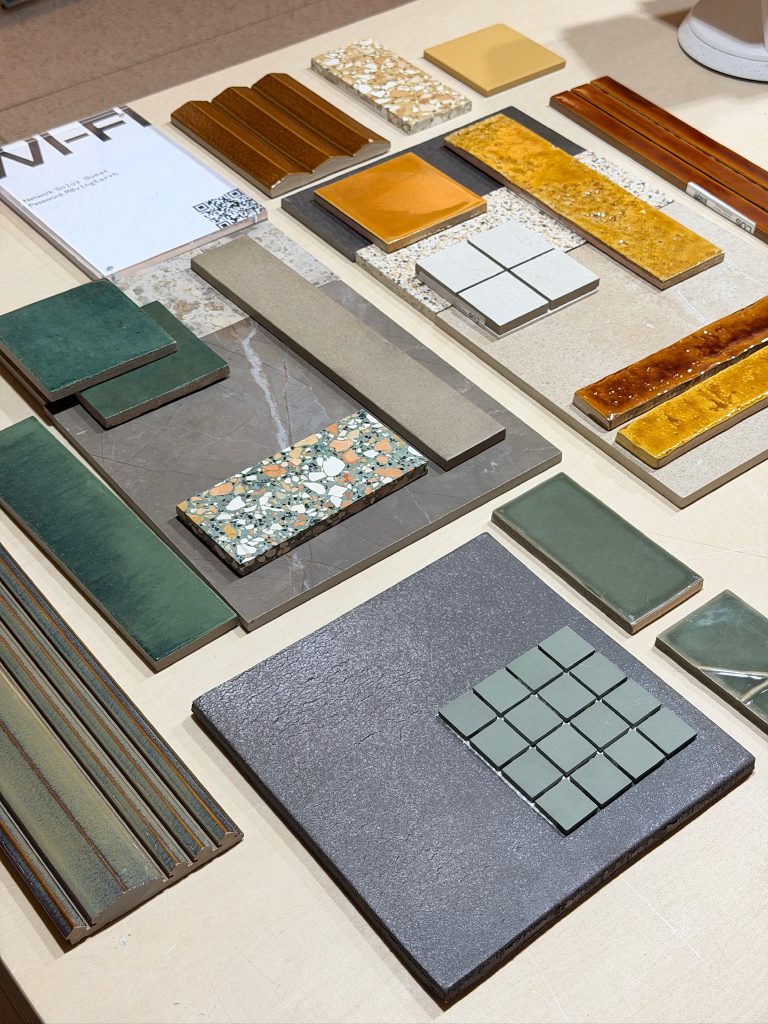
From trowel-applied plaster to natural light and imperfect textures, analog details have become a hallmark of quality. People are tired of seamless spaces that all look the same. They want contrast, authenticity, and a tactile experience.

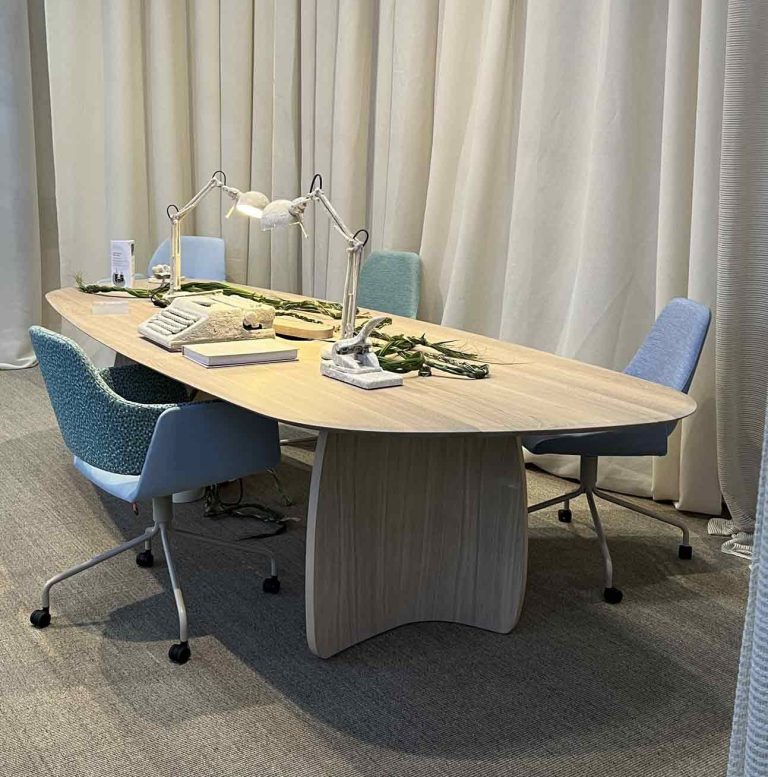
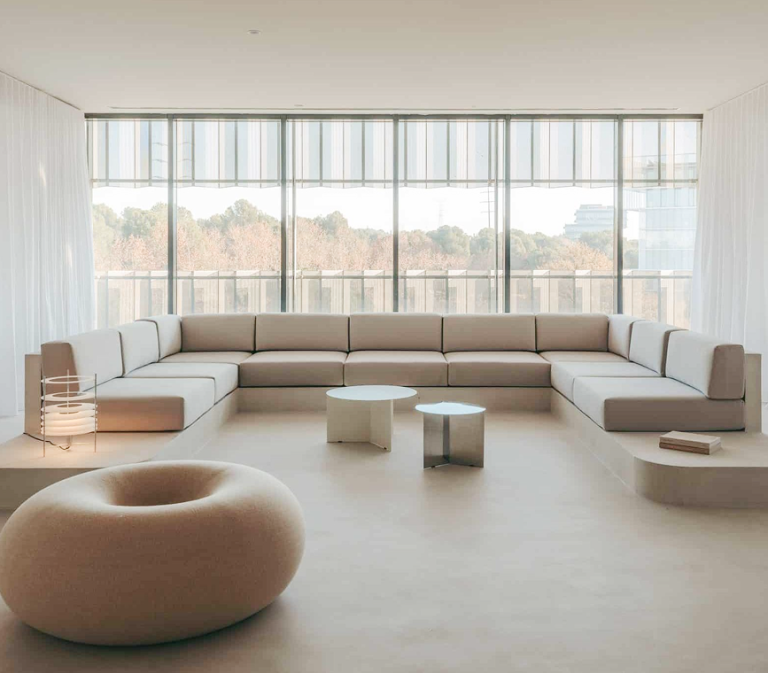
A bright living room featuring a sculptural, organically shaped central table, surrounded by white armchairs and an airy light fixture, all set against a refined Parisian backdrop.

Harvard’s Healthy Buildings team notes that sensory richness is closely linked to well-being, cognitive focus, and emotional satisfaction—all indicators of the kinds of environments where people want to spend time. But why is the analog experience so important today?

The answer may lie in its ability to:

  • Keep people grounded in reality


  • To provide a sensory contrast to life spent in front of screens


  • Reduce cognitive fatigue


  • Encourage presence and taking breaks


  • Create emotional memories.
A view of an artistic pendant light made of amber-colored glass pebbles, suspended in front of large windows overlooking Haussmann-style facades.

In retail, this often translates to minimalist, honest materials, while in workplaces, we see warm, comforting finishes, soft acoustics, and nature-inspired design. In the hospitality sector, this has long been the norm. The common theme, however, is that in 2026, analog isn’t nostalgic—it’s essential.

And this is the theme that runs throughout our latest guide, written in collaboration with AI, “Designing for Dwell(being): Why time, trust, and tangibility define the next era of interiors.”

You may also like...

THE LENGTH OF STAY IN COMMERCIAL INTERIORS
― For years, dwell time has been a familiar indicator in retail.
Parella Paris appoints three new Partners
- Parella , a key player in the field of corporate real estate consulting and development...
Isabel Llano: "Working for users means connecting with their real needs".
- Isabel Llano, Senior Consultant at Parella | The New TTS, is convinced that listening to and understanding the...
Article Office Paper

OFFICE PAPERS

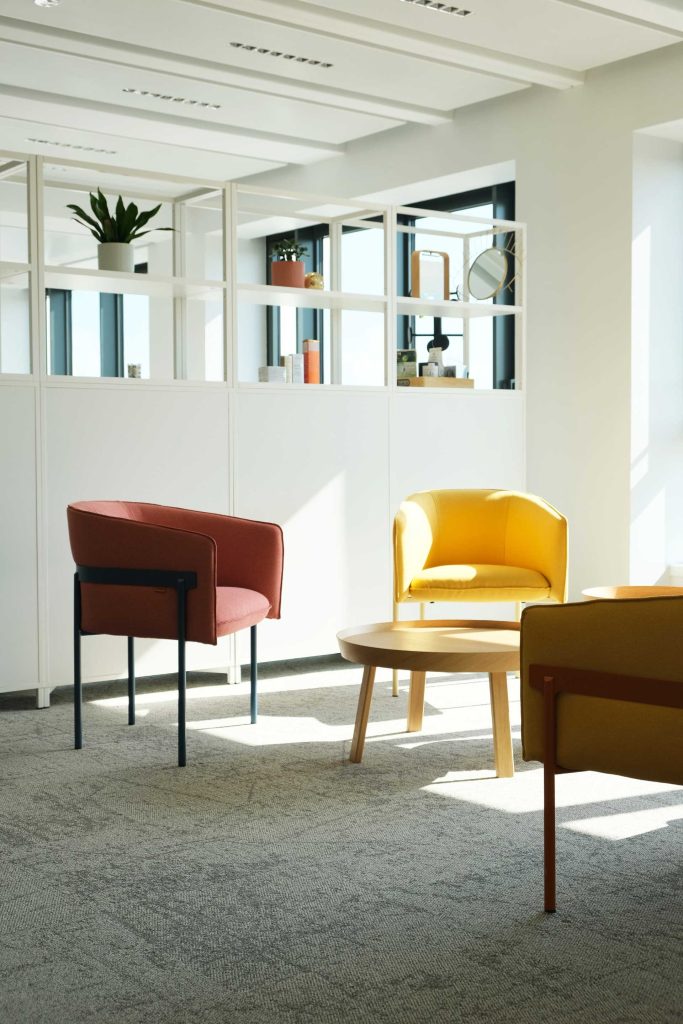
Small living room with red and yellow armchairs, light wood coffee table, at NAOS, by Parella

THANK YOU

Your message has been sent.
We'll get back to you shortly!